Start your agent search by requesting a recent comparable market analysis for properties similar to what you want to buy or sell. This document can reveal an agent's local expertise, attention to detail, and communication style before you even begin the interview process. We have found that clients who start here enter conversations with clearer expectations and more focused follow-up questions.
Choosing a Naples real estate agent shapes every part of your transaction, from the initial property search through closing day and beyond. Whether you are relocating from the Midwest, purchasing a waterfront vacation home, or selling a gulf-front condo, the questions you ask upfront can help you understand how the process will unfold. We compiled the 40 questions our clients most frequently raise, organized by category, along with the answers we provide during our consultations.
In This Post
Credentials and Experience
Local Market Knowledge
Communication and Availability
Pricing, Negotiation, and Strategy
Fees, Contracts, and Closing
Credentials and Experience
1. How long have you been a licensed real estate agent?
Experience matters, but context matters more. An agent with five years focused exclusively on Marco Island and Naples waterfront properties may have a different perspective from someone with twenty years of experience across multiple markets. Ask specifically about their experience with Southwest Florida coastal transactions.
2. What designations or certifications do you hold?
Designations such as Certified Luxury Home Marketing Specialist or Resort and Second-Home Property Specialist can indicate specialized expertise. These credentials may also reflect a commitment to ongoing education in niche markets such as vacation homes and waterfront estates.
3. Are you a full-time agent?
Part-time agents may have other professional commitments that affect their availability. Ask how they structure their schedule and ensure they can provide the level of communication and attention your transaction requires.
4. Do you work independently or as part of a team?
Teams offer backup support and broader coverage. We operate as the Heuermann-Skirkanich Team at Premier Sotheby's International Realty, which means clients benefit from two dedicated professionals while maintaining a consistent team approach.
5. What is your transaction volume over the past twelve months?
Transaction volume can provide insight into an agent's current level of activity. An agent actively closing transactions stays familiar with market shifts, lender requirements, inspection processes, and other details that can affect a real estate transaction.
6. Can you provide references from recent clients?
Speaking with past clients can provide insight into communication habits, problem-solving abilities, and overall satisfaction. Request references from transactions similar to yours in property type and price range.
7. Have you worked with out-of-state or international buyers?
Relocation and second-home purchases involve unique logistics. Agents experienced with remote buyers understand how to coordinate virtual tours, manage time zone differences, and assist with long-distance transactions.
8. What brokerage do you represent?
The brokerage behind an agent can affect marketing reach, brand recognition, and network access. Sotheby's International Realty provides a global network that can be particularly relevant when marketing luxury properties to buyers beyond Southwest Florida.
Local Market Knowledge
9. Which neighborhoods do you specialize in?
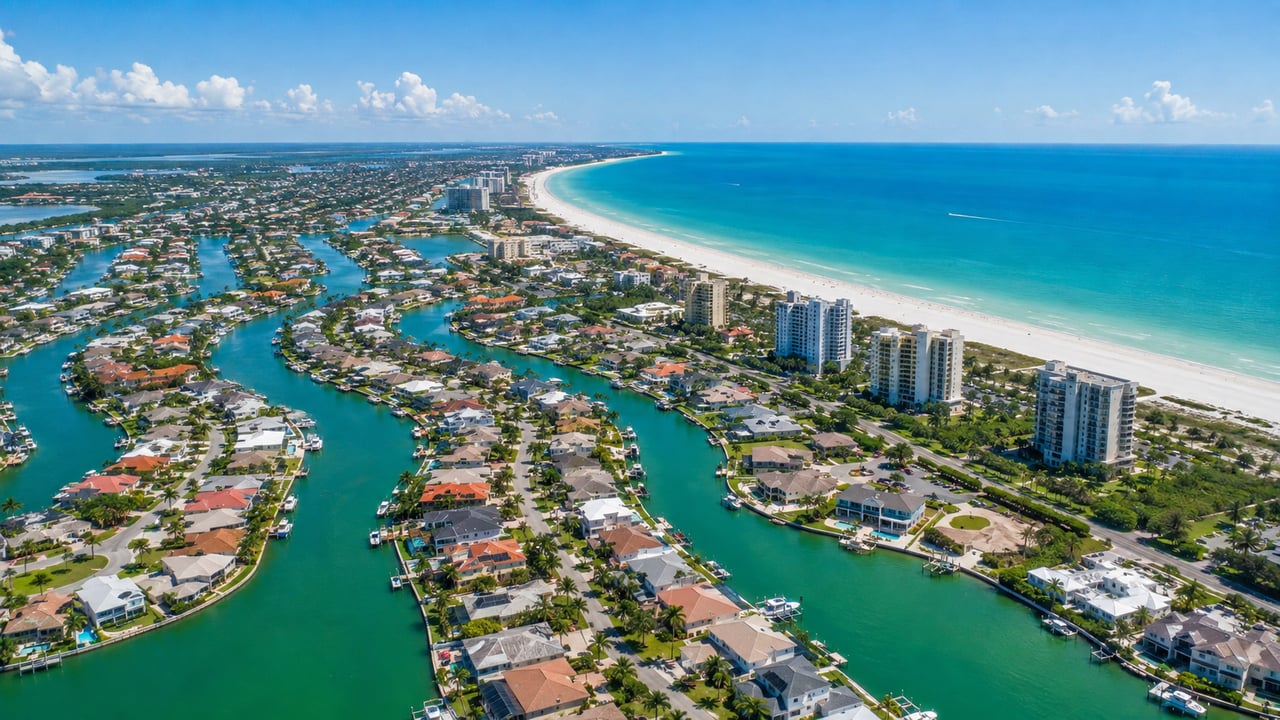
Marco Island includes distinct communities such as Hideaway Beach, Cape Marco, and the Estates area. Naples also includes a range of neighborhoods, from Port Royal to Pelican Bay. Familiarity with specific communities helps an agent provide more relevant guidance when evaluating properties and lifestyle preferences.
10. How would you describe the current market conditions?
A knowledgeable agent should be able to discuss inventory levels, average days on market, pricing trends, and seasonal patterns. More importantly, they should explain how those conditions may affect your specific buying or selling goals.
11. What are the differences between direct-access and indirect-access waterfront properties?
This question tests an agent's coastal market knowledge. Direct gulf access generally means there are no fixed bridges between a property and open water, while indirect access can involve bridges with height restrictions. These differences can be especially important for boat owners evaluating waterfront properties.
12. Can you explain flood zones and insurance requirements?
Flood insurance costs and requirements can vary based on property location and other factors. An experienced agent can help buyers understand FEMA flood maps, elevation information, and the questions they should discuss with insurance professionals.
13. What do you know about HOA and condo association rules in this area?
Association restrictions can affect rental policies, pet allowances, renovation approvals, and assessment histories. We review governing documents carefully and encourage clients to understand applicable rules before committing to a property.
14. How familiar are you with new construction in the area?
New construction involves different considerations than resale properties. Agents should understand builder reputations, warranty coverage, construction timelines, and how to represent buyer interests when the listing agent works for the developer.
15. What lifestyle amenities matter most to buyers here?
Marco Island and Naples attract buyers interested in beaches, boating, golf, fishing, dining, and other coastal amenities. Understanding lifestyle priorities helps agents match clients with properties based on how they want to live, not simply square footage and bedroom counts.
16. Do you live in the area you serve?
Local knowledge can provide firsthand insight into traffic patterns, seasonal population changes, community character, amenities, and the differences between individual neighborhoods.
Communication and Availability
17. What is your preferred method of communication?
Some clients prefer text updates, while others prefer phone calls or email. Establishing communication preferences early helps prevent frustration and keeps information moving throughout the transaction.
18. How quickly do you typically respond to messages?
In competitive real estate markets, timely communication matters. Ask about expected response times and whether the agent has team members or support staff available when they cannot respond immediately.
19. Will I work directly with you or be handed off to an assistant?
Clarify who will handle showings, negotiations, paperwork, and other important parts of the transaction. Some teams delegate extensively, while others maintain direct agent involvement throughout the process.
20. How often will you update me on progress?
Regular updates help keep transactions organized. Whether you prefer weekly calls or more frequent messages, agreeing on a communication rhythm early can reduce uncertainty.
21. Are you available on weekends and evenings?
Real estate does not always operate on a traditional business schedule. Showings may take place on weekends, and offers or time-sensitive questions can arise outside regular office hours.
22. How do you handle multiple clients simultaneously?
Busy agents may manage several transactions at once. Ask how they organize their workload and ensure each client receives appropriate attention throughout the process.
23. What technology do you use to keep clients informed?
Modern agents use digital tools for document signing, property alerts, communication, and transaction management. Ask which systems they use and how those tools will make the process easier for you.
24. Can you accommodate virtual showings if I cannot visit in person?
Video tours, FaceTime walkthroughs, and detailed photo packages can help remote buyers evaluate properties before traveling. This can be especially useful for second-home purchasers and international buyers.
Pricing, Negotiation, and Strategy
25. How do you determine the right listing price for a home?
Pricing requires an analysis of comparable sales, current competition, property condition, location, and other relevant market factors. Ask the agent to explain how they develop their pricing recommendations and which comparable properties they used.
26. What is your marketing plan for my property?
Effective marketing can include professional photography, compelling property descriptions, targeted digital advertising, social media, and network outreach. For luxury properties, ask specifically about exposure through platforms such as Sotheby's International Realty's global channels.
27. How do you handle multiple-offer situations?
Multiple offers require careful evaluation. Agents should explain how they compare offers beyond the purchase price, including contingencies, financing strength, deposit amounts, and closing timelines.
28. What negotiation strategies do you employ?
Ask how the agent approaches inspection requests, price negotiations, closing cost credits, and other common points of negotiation. Understanding their process can help establish realistic expectations before an offer is made or received.
29. How do you help buyers compete in a seller's market?
Strong offer presentation, pre-approval letters, appropriate terms, and clear communication can help buyers navigate competitive conditions. An experienced agent should explain the strategies that may be appropriate for the specific property and market.
30. What happens if my home does not sell within the expected timeframe?
Market conditions can change during a listing. Discuss possible next steps, including reviewing the pricing strategy, adjusting marketing efforts, improving property presentation, or considering other options appropriate to your situation.
31. How do you evaluate whether a property is priced fairly?
Buyers need a clear way to evaluate asking prices. Ask the agent to explain their comparative market analysis process and how they assess a property's price relative to recent sales and current competition.
32. Can you recommend trusted inspectors, lenders, and attorneys?
A network of experienced local professionals can help keep a transaction moving. Ask which inspectors, lenders, title professionals, and attorneys the agent has worked with and whether they can provide several options for you to consider.
Fees, Contracts, and Closing
33. What is your commission rate?
Commission structures can vary. Ask what services are included in the compensation and how payment arrangements work for the listing and buyer sides of the transaction.
34. Are there any additional fees I should expect?
Some transactions may involve costs related to marketing materials, photography, administrative services, inspections, or other professional services. Clarify which costs may apply before signing an agreement.
35. What does your listing agreement include?
Listing agreements specify important details such as the agreement period, marketing commitments, compensation, and cancellation provisions. Read the agreement carefully and ask questions about anything you do not understand.
36. How long is the typical contract period?
Listing periods vary depending on the property, market conditions, and agreement between the seller and agent. Ask how the proposed listing period fits the marketing strategy for your property.
37. Can I cancel the agreement if I am unsatisfied?
Understand the cancellation provisions before signing. Some agreements may include early termination clauses, while others have specific requirements for ending the relationship.
38. What closing costs should I anticipate?
Beyond agent compensation, sellers may encounter costs such as title-related expenses, documentary stamps, and potential HOA or condo transfer fees. Buyers may encounter lender fees, inspections, insurance deposits, and other transaction expenses. Your agent can help you identify the costs you should discuss with your closing and financial professionals.
39. How do you handle earnest money deposits?
Earnest money demonstrates a buyer's commitment to the transaction. Ask how deposits are handled, where funds are held, and which contract conditions affect whether a deposit is refundable or at risk.
40. What happens between contract signing and closing?
The period between contract acceptance and closing can involve inspections, appraisals, title searches, financing, document preparation, and other requirements. An experienced agent coordinates with the parties involved and helps keep the transaction moving toward closing.
Final Thoughts
These 40 questions provide a foundation for a productive conversation with a prospective real estate agent. The answers can help you understand an agent's experience, communication process, local market knowledge, and approach to your specific transaction.
We welcome the opportunity to answer these questions and any others you bring to our conversation. Whether you are buying your first Marco Island vacation home or selling a waterfront estate, our team provides personalized guidance for luxury real estate transactions in Marco Island and Naples.
About Elizabeth Heuermann
Elizabeth Heuermann is a Marco Island real estate professional with a deep understanding of the local market, including luxury and waterfront properties. She helps buyers and sellers navigate the real estate process with local insight, clear guidance, and a focus on informed decision-making.