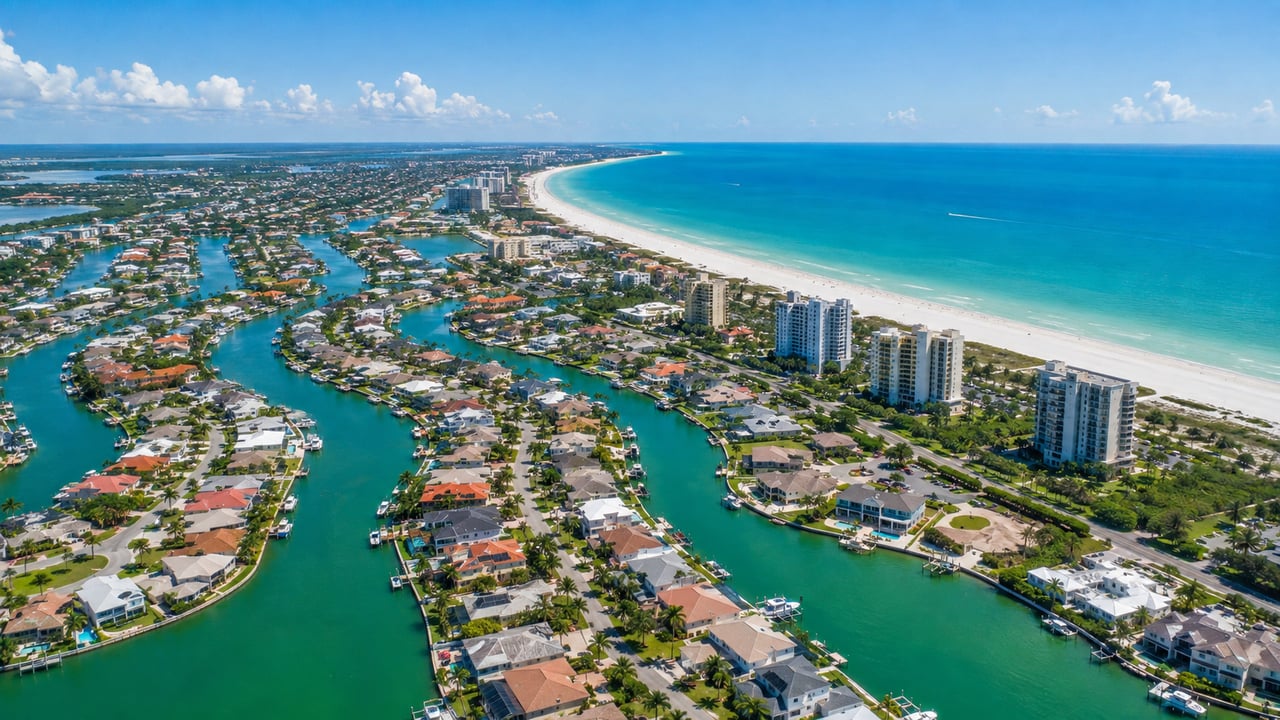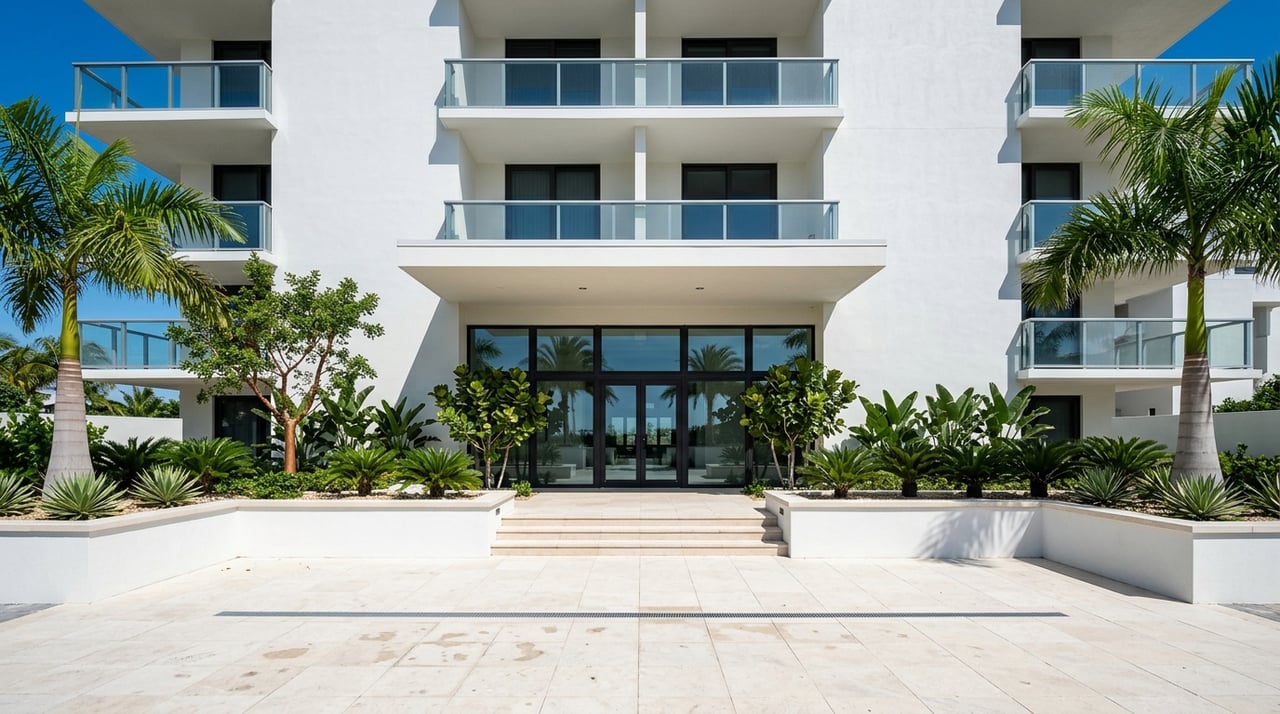
Wondering whether buying a condo in North Beach is a smart move or a hidden maintenance puzzle? You are not alone. North Beach can offer a compelling coastal lifestyle, but it is not a one-size-fits-all condo market, which means the details matter more here than in many newer tower districts. This guide will help you understand what to look for, what questions to ask, and where due diligence should happen before you make an offer. Let’s dive in.
North Beach Is a Building-by-Building Market
One of the biggest things to understand about North Beach is that the area has not followed the same redevelopment pattern as other parts of Miami Beach. The City of Miami Beach notes that this is one reason the North Beach Community Redevelopment Agency was created in 2021, with a focus on transportation, infrastructure, resiliency, housing, and community revitalization.
For you as a buyer, that means North Beach should be evaluated building by building, not just by ZIP code or neighborhood label. The area includes older apartment and condo stock, preservation-sensitive buildings, and newer infill properties, so two condos just blocks apart can come with very different ownership costs, renovation limits, and maintenance profiles.
Expect a Mix of Older and Newer Condos
If you are shopping in North Beach, you should expect a wider range of building types than you might find in a newer high-rise corridor. According to the city’s North Shore historic materials, the area includes buildings from the 1930s through the 1950s in styles such as Art Deco, Streamline Moderne, Post War Modern, and MiMo, along with other low-rise and mid-century structures.
That mix matters because building era often affects how a condo lives day to day. Older buildings may have more variation in layout, circulation, room sizes, balconies, and infrastructure, while newer projects may feel more standardized. Neither option is automatically better, but they usually come with different tradeoffs.
What older building stock can mean
When you tour an older North Beach condo, pay close attention to how the unit and common areas feel in real use. A charming floor plan may also come with older plumbing risers, dated electrical systems, or windows and balconies that have been replaced at different times.
It helps to ask direct questions such as:
- What year was the building originally constructed?
- Was it originally built as apartments, a hotel, or a condominium?
- Which features are original and which have been updated?
- Has the building been substantially altered over time?
- Does the layout feel purpose-built for condo living or adapted later?
Condo Due Diligence Matters More Than Ever
In North Beach, the unit itself is only part of the purchase decision. Your document review may be just as important as the showing, especially in older coastal buildings.
Florida now requires important structural and reserve-related disclosures in condo resales. Under Florida condominium law, buyers should have access to records such as inspection reports, the most recent Structural Integrity Reserve Study, or SIRS, and certain permit records through the association’s official records.
Understand milestone inspections
Florida law requires milestone inspections for residential condo and co-op buildings that are three or more habitable stories, generally at 30 years of age and every 10 years after that. In some local circumstances, the timeline may begin at 25 years. A milestone inspection starts with a visual structural review, and a second phase is required only if substantial structural deterioration is identified, according to the state’s milestone inspection statute.
Miami Beach also states that its building recertification process applies to buildings at 30 years and every 10 years after that. For a buyer, this means it is important to confirm whether the building is subject to inspection requirements, whether reports have been completed, and what findings or repairs may still be outstanding.
Understand SIRS and reserves
Another major issue for Florida condo buyers is the Structural Integrity Reserve Study. The Florida Department of Business and Professional Regulation says condo associations for buildings three or more habitable stories must complete a SIRS on a regular schedule, covering items such as the roof, structural systems, fire protection, plumbing, electrical, waterproofing and exterior painting, windows and exterior doors, and other qualifying components.
This matters because reserve funding can directly affect your monthly costs and future assessment exposure. DBPR also notes that associations may need special assessments, loans, or lines of credit to meet required funding schedules. In practical terms, a lower monthly fee does not always mean a lower-cost ownership experience.
Documents To Request Before You Buy
Before you move forward on a North Beach condo, ask for key association and building records. These documents can help you understand whether the building is well-maintained, underfunded, or preparing for major work.
Start with this checklist:
- The most recent association budget
- The current reserve schedule
- The milestone inspection summary, if applicable
- The most recent SIRS, or written confirmation that one has not been completed
- Any special assessment history
- Any planned or discussed assessments
- Recent permit history for major building work
If a seller or association is slow to provide clear answers, treat that as a signal to investigate further. In this market, transparency matters.
Historic District Rules Can Affect Renovations
North Beach is not just a coastal condo market. It is also an area with meaningful preservation considerations. Miami Beach’s Historic Preservation Board has authority over designated buildings and districts, including review of certain alterations and demolition requests, as outlined by the city’s historic preservation resources.
That does not mean you cannot buy and improve an older condo. It does mean you should verify what approvals may be required before assuming your renovation plans are simple. This is especially important if you are considering window changes, exterior work, or updates in a historically sensitive building.
Turnkey vs. renovation opportunity
A renovated older unit can offer value and character, but you should confirm that prior work was properly permitted and approved by the association where required. You should also confirm whether any historic or design review restrictions apply to the building.
A turnkey unit may cost more upfront, but it can reduce uncertainty around permits, code compliance, and future repair exposure. If you are deciding between a value-add purchase and a move-in-ready condo, be sure you are comparing the full ownership picture, not just the asking price.
Lifestyle Value Starts With Access
For many buyers, North Beach stands out because of its public shoreline access and outdoor infrastructure. North Beach Oceanside Park stretches roughly from 79th to 86th Streets and includes beach access, restrooms, parking, pavilions, seating, and outdoor fitness areas.
The area also benefits from the Miami Beach Beachwalk, a nine-mile ADA-accessible oceanfront promenade completed in 2022 that connects Miami Beach with Surfside and Bal Harbour. Depending on the building, that can add meaningful day-to-day value even if a property is not directly on the sand.
Transit and getting around
Miami Beach also offers mobility options in parts of North Beach, including free on-demand Freebee service and the North Beach Loop trolley, both referenced through the city’s North Beach parks and area information. If you plan to use your condo seasonally or prefer fewer car trips, this is worth factoring into your search.
That said, convenience can vary a lot from one building to another. A condo that looks close to the beach on a map may still have a different real-world experience depending on pedestrian access, parking, and how the route feels day to day.
Parking Should Be Its Own Research Item
Do not assume every North Beach condo has the same parking setup. Some buildings may have on-site parking, while others may rely more heavily on street parking or nearby public options.
The city launched the North Beach Registered Resident Parking Pilot Program in November 2024, with rules tied to a designated residential zone and permit limits per household. For buyers, the takeaway is simple: verify exactly how parking works for the specific building and unit you are considering.
Ask questions like:
- Is parking deeded, assigned, valet, or first-come first-served?
- Does the unit include on-site parking?
- Will you rely on street permits?
- Is guest parking available?
- How exposed are you to future parking rule changes?
Flood Risk Should Be Part of Your Decision
In Miami Beach, flood risk is a real ownership consideration. The city states on its flood awareness page that the area sits at low elevation near sea level and can experience flooding from heavy rainfall, high tides, and storm surge.
If you are comparing North Beach condos, look beyond the unit interiors and ask how the building handles resilience. Garage access, waterproofing, drainage, elevation, and building-wide flood mitigation measures can all affect your ownership experience, insurance planning, and peace of mind.
This is especially important in older coastal buildings, where improvements may have been made over time but not always uniformly. A beautiful lobby does not tell you everything you need to know about resilience.
A Smart Shortlist For North Beach Buyers
As you narrow your options, focus on a few practical filters that can help you compare buildings more clearly.
Use this shortlist:
- Building age and construction era
- Milestone inspection status
- SIRS completion and reserve funding
- Special assessment history or risk
- Historic district or preservation review status
- Parking setup
- Beach access and walkability
- Recent permit history for major work
- Whether the condo is truly turnkey or likely to need follow-up work
In a market like North Beach, this kind of side-by-side comparison can help you avoid getting distracted by staging, views, or surface-level upgrades alone.
The Bottom Line On Buying In North Beach
Buying a condo in North Beach can be a great fit if you want coastal access, architectural variety, and a neighborhood with a more mixed and layered housing stock than some of Miami Beach’s newer tower districts. But it is a market where due diligence carries real weight.
If you approach North Beach with a building-first mindset, review the right documents, and ask detailed questions about inspections, reserves, parking, flood risk, and renovation restrictions, you can make a more confident decision. The right condo is not just about the unit you love today. It is also about the building you will own into tomorrow.
If you want a team that values lifestyle, long-term fit, and practical ownership details, connect with Marco island life and Heuermann-Skirkanich Team to start the conversation.
FAQs
What should you check before buying a North Beach condo?
- You should review the building’s budget, reserves, milestone inspection status, SIRS status, special assessment history, permit history, parking setup, and any historic district restrictions.
How old are many condo buildings in North Beach?
- North Beach includes many buildings from the 1930s through the 1950s, along with newer infill properties, so building age and condition can vary widely.
Do North Beach condo buyers need to worry about milestone inspections?
- Yes. Florida requires milestone inspections for certain residential condo and co-op buildings that are three or more habitable stories, generally starting at 30 years of age and repeating every 10 years after that.
What is a SIRS for a Florida condo building?
- A SIRS, or Structural Integrity Reserve Study, is a reserve planning study for certain condo buildings that covers major components such as the roof, structure, plumbing, electrical systems, waterproofing, and windows.
Can historic district rules affect a North Beach condo renovation?
- Yes. If a building is in a designated historic district or otherwise subject to preservation review, some alterations may require additional approval.
Is parking easy at every North Beach condo building?
- No. Parking arrangements vary by building, so you should confirm whether the unit has on-site parking, assigned parking, permit-based street parking, or limited guest options.
How important is flood risk when buying in North Beach?
- Flood risk is an important factor because Miami Beach can experience flooding from heavy rain, high tides, and storm surge, which can affect insurance, access, and long-term building resilience.
Is North Beach a uniform luxury high-rise condo market?
- No. North Beach is a mixed condo market with older buildings, preservation-sensitive properties, and newer infill, so each building should be evaluated on its own merits.
About Elizabeth Heuermann
Elizabeth Heuermann is a top-producing Marco Island REALTOR®️ with nearly 20 years of experience helping buyers and sellers navigate the luxury coastal market. As part of Premier Sotheby’s International Realty, she brings rare expertise in both real estate and home development, having personally designed and sold more than a dozen homes. Her deep knowledge of Marco Island’s neighborhoods, waterfront properties, and market trends has made her a trusted resource for clients across Southwest Florida.