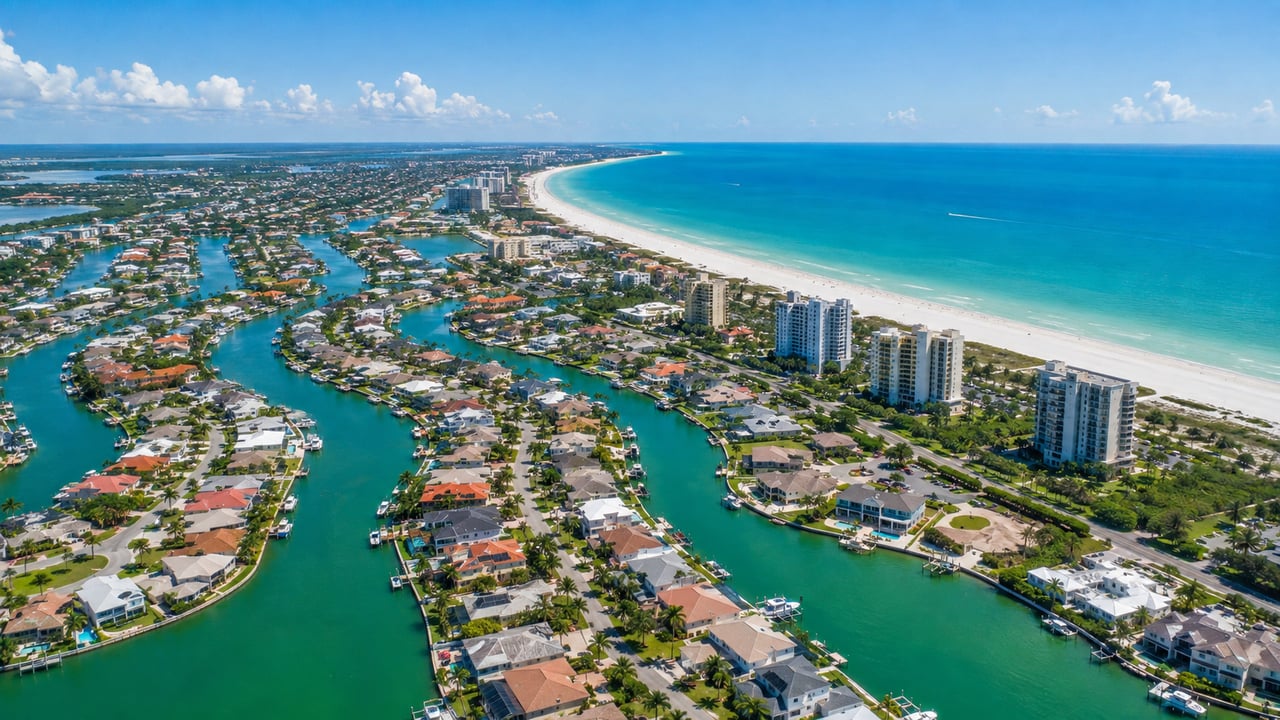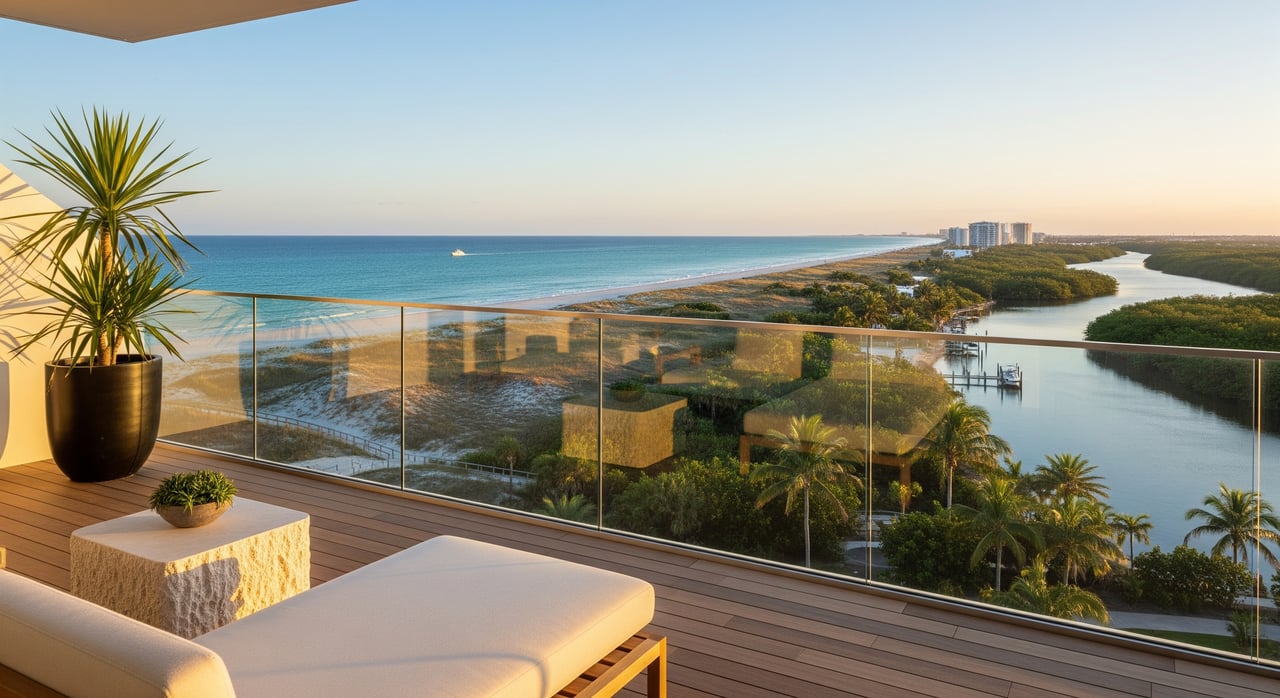
Trying to decode listings that say beachfront, gulf-front, or inland on Marco Island? You are not alone. These terms are used in different ways, and each one affects your views, beach access, costs, and long-term risk. In this guide, you will get clear definitions, lifestyle trade-offs, cost factors, and a simple checklist to verify before you write an offer. Let’s dive in.
What each term means
Beachfront
- Direct sand access on the Gulf of Mexico without crossing a public road.
- Buildings sit on or beside the sandy shoreline and face open water.
- Expect direct exposure to surf, wind, and salt spray, with private or deeded paths to the sand.
Gulf-front
- Gulf-facing with views, but not always on the sand. You might cross a dune system, public right-of-way, promenade, roadway, or seawall.
- Views can be excellent, yet beach access may be less direct.
- Some listings use gulf-front and beachfront as the same term. Always confirm the site plan and actual approach to the beach.
Inland
- Set back from the Gulf. May sit on canals, bays, or interior neighborhoods.
- Views are often of canals, mangroves, or landscaped grounds. Exposure to surf and salt spray is lower.
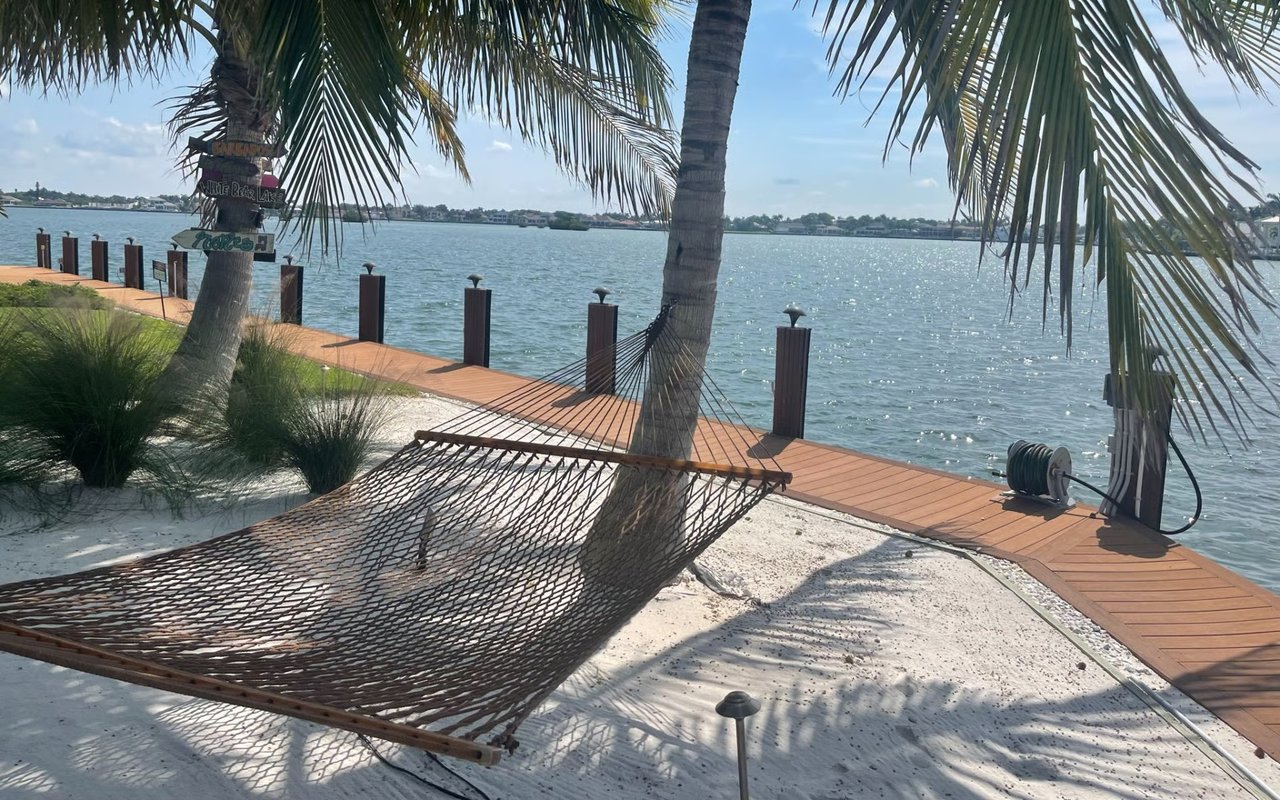
- Many inland properties suit boaters who want calm water access and potential slips.
How views compare
- Beachfront: Wide, unobstructed Gulf panoramas with sunrise or sunset exposure depending on building orientation.
- Gulf-front: Similar sightlines, though dunes, promenades, or setbacks can soften the view. Height and angle matter.
- Inland: Calmer water or garden views rather than the open horizon. Often peaceful and private.
Beach access and boating
- Beachfront: Usually has deeded paths, stairs, or boardwalks. Great if frequent beach time is your goal.
- Gulf-front: Access varies. You may need to cross a minor road, pass a seawall, or use a public easement.
- Inland: No direct beach access. You will drive to public beaches. Canal and bay locations may offer boat docks, lifts, or easier marina access.
Noise, privacy, and crowds
- Beachfront: Expect more seasonal foot traffic and activity. Storm events can be louder.
- Gulf-front: Moderate public presence that depends on nearby sand and promenades.
- Inland: Generally quieter with a residential feel and fewer transient visitors.
Typical amenities
- Beachfront: Private beach paths, rinse stations, beachfront pools, security or gated entries, covered parking, and elevators.
- Gulf-front: Many of the same comforts, sometimes with seawall promenades and sunset terraces.
- Inland: More likely to feature marina or boat docks, community pools, fitness centers, and garden courtyards.
Costs: HOA and insurance
Association dues vary by building size, amenities, age, reserves, and insurance. In general, beachfront or high-amenity gulf-front towers carry higher monthly fees than smaller inland associations. Always verify what the dues include, such as water, cable, reserves, or staff.
Insurance is a major driver of ownership cost on barrier islands. Associations often carry a master policy for structure and common areas. You typically maintain an HO-6 policy for interior finishes and personal property. Review:
- What perils the master policy covers, including windstorm and flood.
- Deductible amounts, including wind deductibles.
- Whether flood is covered by the master policy or must be purchased separately.
If you are new to Florida insurance, start with consumer guidance from the Florida Office of Insurance Regulation. It will help you frame questions for your insurance agent and the association.
Flood zones and elevation
Marco Island and much of Collier County are low-lying. Flood zone and elevation matter for both cost and safety. Check the exact address on the FEMA Flood Map Service Center to confirm the building’s flood zone and base flood elevation. Ask for the finished floor elevation of the unit, especially for first or second floors.
To understand long-term context, review coastal risk visuals using the NOAA Sea Level Rise Viewer. These tools, along with building elevation and mitigation features, help you compare options.
Rentals and rules
Rental policies vary by association on Marco Island. Minimum stay rules, waiting periods after purchase, registration, and local tax requirements can affect your plans. Ask for current association documents, including rules, budgets, and insurance certificates. Florida condominium governance follows Florida Statutes Chapter 718, which outlines disclosures, meetings, voting, and assessments.
If rental income is part of your strategy, confirm minimum rental periods, how many times you can rent per year, and any on-site management rules.
What to verify before you offer
Use this quick checklist if you live out of market or are buying sight-unseen.
- Site relationship to sand: Is it truly beachfront or a gulf-front view with separation? Get a site plan and aerials. Ask for a live video showing the true approach to the beach.
- Unit elevation: Know floor level and finished floor elevation. First and ground levels carry higher flood exposure.
- Association financials: Request the current budget, most recent reserve study and balance, and the last 12 to 24 months of board minutes.
- Insurance: Obtain association insurance certificates and master policy details. Get preliminary HO-6 and flood quotes.
- Rules: Confirm rental minimums, any wait periods, and parking policies for owners and guests.
- Physical condition: Review inspection reports, elevator service records, roof or coating schedules, and any concrete restoration or balcony work.
- Special assessments: Ask about past, current, or planned assessments or association loans.
- Local data: For building age and tax details, review the Collier County Property Appraiser.
- If boating: Verify slip availability, seawall condition, and canal depth to the Gulf.
- Professional team: Engage a local broker, Florida condo attorney, insurance agent, and inspectors who know coastal structures.
Marco Island risks to know
Barrier islands change with storms. Primary coastal risks include hurricane wind, storm surge, flooding, salt air corrosion, and long-term sea level rise. These risks influence insurance, maintenance, and resilience planning.
During hurricane season, be aware of evacuation zones and access constraints for island bridges. For official guidance and maps, use Collier County Emergency Management resources.
Which condo fits your goals
- Choose beachfront if your priority is daily sand access, sweeping Gulf views, and strong seasonal appeal. Be ready for higher HOA and insurance costs and more seasonal activity.
- Choose gulf-front if you want Gulf views and sunsets but can accept less direct beach access. You may still enjoy a similar lifestyle with different maintenance dynamics.
- Choose inland if you value privacy, boating infrastructure, and potentially lower ongoing costs. You will drive to the beach and may find strong value in canal or bay settings.
Next steps
Every building on Marco Island is unique. The smartest move is to compare your top two or three buildings side by side, confirm flood and insurance details, and review association financials before you write an offer. If you want a guided shortlist and on-the-ground insight, reach out to the Marco island life and Heuermann-Skirkanich Team for local expertise and a tailored plan.
FAQs
What is the difference between beachfront and gulf-front on Marco Island?
- Beachfront means direct, short access to the sand. Gulf-front faces the Gulf with views but may be separated by a dune, seawall, or roadway. Always confirm with a site plan or in-person visit.
How do HOA fees differ between condo types in Collier County?
- Fees vary by building size, amenities, age, reserves, and insurance. Beachfront and high-amenity gulf-front towers often have higher dues than smaller inland complexes.
Do I need flood insurance for a Marco Island condo?
- It depends on flood zone, elevation, and lender requirements. Check your address on the FEMA Flood Map Service Center and discuss coverage with your insurance agent.
What should I review in a condo association before buying?
- Request the budget, reserve study, recent board minutes, insurance certificates, rental rules, and any special assessment history. Florida’s framework is outlined in Chapter 718.
Is an inland condo better for boating on Marco Island?
- Often yes. Inland canal or bayfront condos may offer docks, lifts, and easier access to calm water, which can be more practical for frequent boaters.
About Elizabeth Heuermann
Elizabeth Heuermann is a top-producing Marco Island REALTOR®️ with nearly 20 years of experience helping buyers and sellers navigate the luxury coastal market. As part of Premier Sotheby’s International Realty, she brings rare expertise in both real estate and home development, having personally designed and sold more than a dozen homes. Her deep knowledge of Marco Island’s neighborhoods, waterfront properties, and market trends has made her a trusted resource for clients across Southwest Florida.