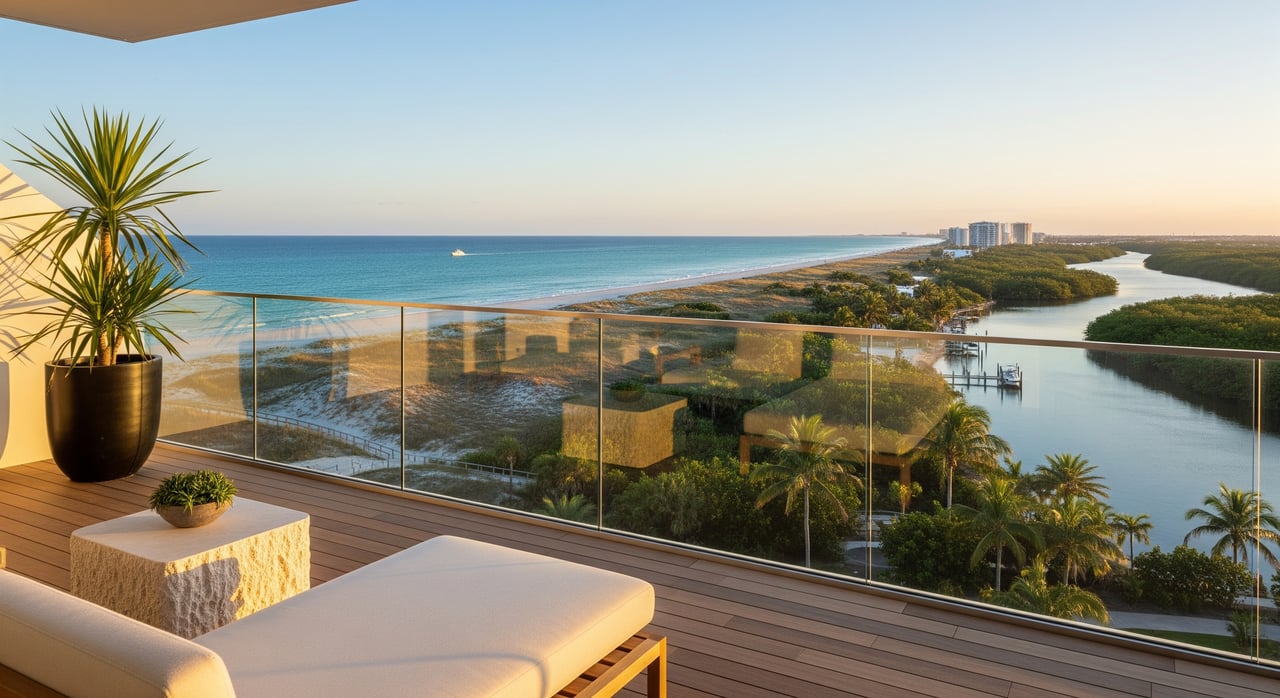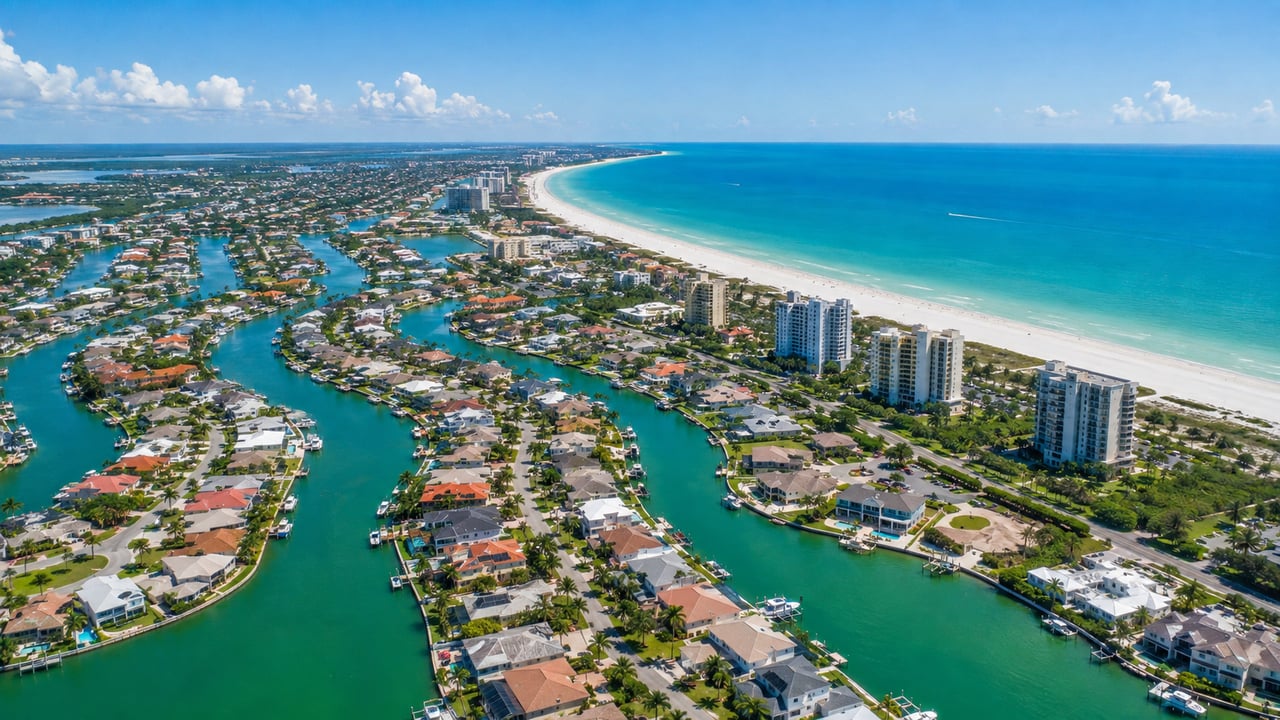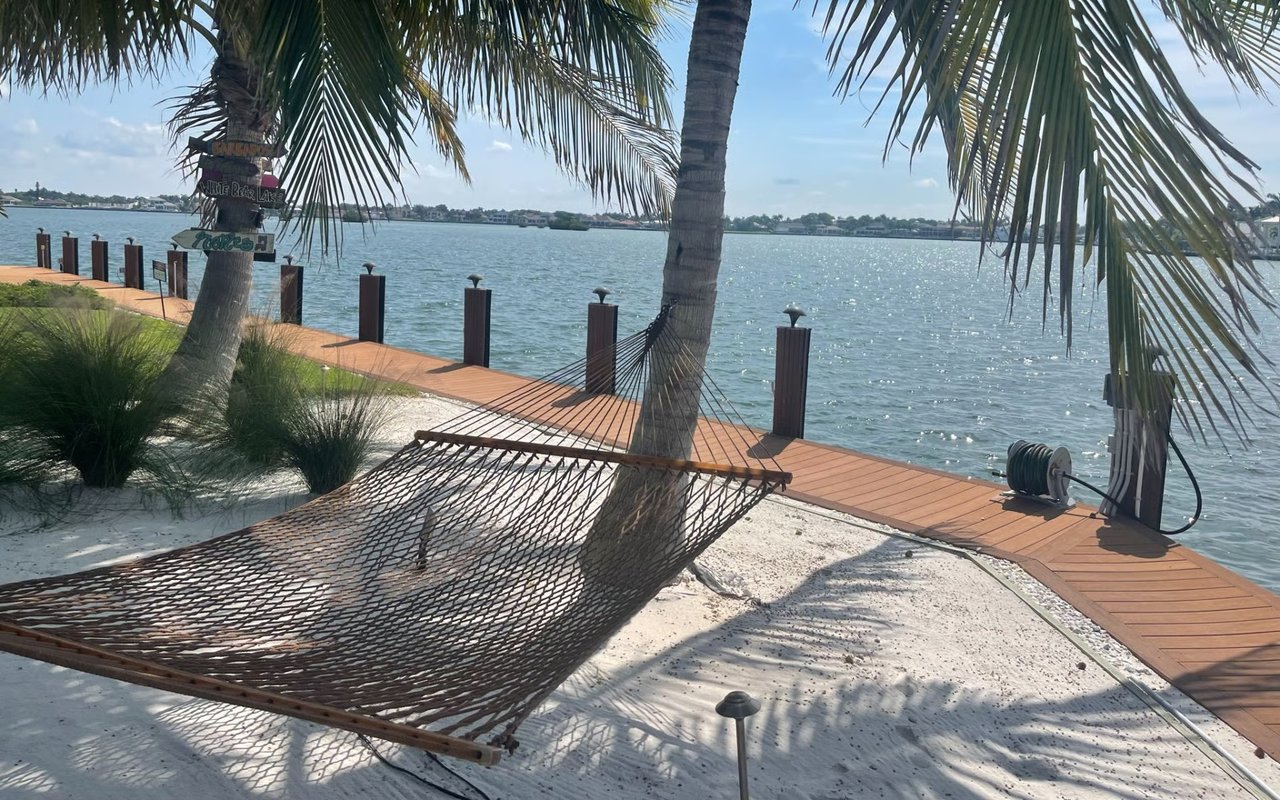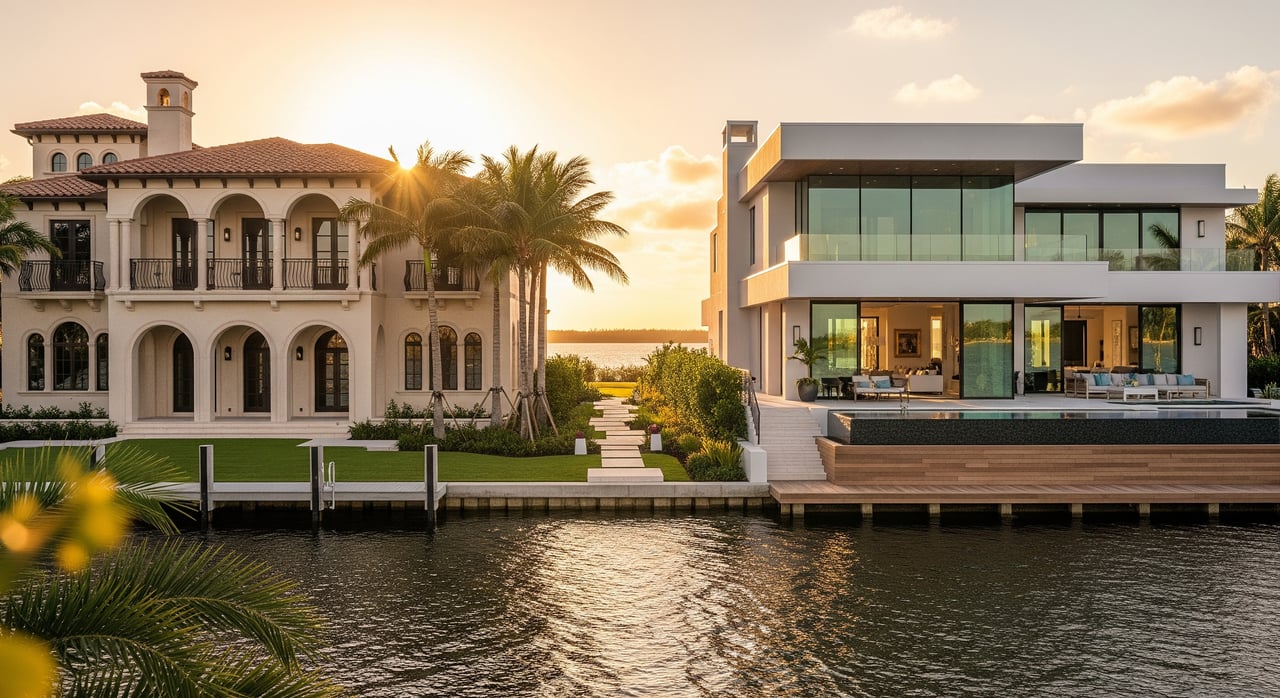
Torn between island living and estate-style space for your new build? You are not alone. Many buyers compare Old Marco on Marco Island to The Lakes Estates in Sarasota when deciding where to start a custom home. In this guide, you will see how lot size, water access, design rules, permitting timelines, and budget drivers differ so you can move forward with clarity. Let’s dive in.
Old Marco vs The Lakes Estates
Old Marco gives you a coastal island setting with wide water views, canals, and quick access to the bay or Gulf. Lots tend to be older and smaller, and many sites involve seawalls and docks. Marine conditions and coastal regulations shape design and permitting.
The Lakes Estates in Sarasota is an inland estate neighborhood with larger lots and lakefront settings. You often have more room for a single-level footprint, bigger yards, and private amenities like large pools and detached garages. You also sit near Sarasota’s cultural, healthcare, and everyday amenities.
What this means for your build
- Old Marco often leans vertical with elevated living areas and tighter site planning. Marine construction, flood elevations, and wind design can add complexity.
- The Lakes Estates typically allows larger ground-level plans with generous side yards. You focus more on landscape and pool integration and less on seawall or dock work.
Lot and site factors to verify
Before you write an offer, confirm what you can actually build. Older island parcels can have irregular shapes and setbacks that reduce usable area. Estate lots usually offer more contiguous buildable square footage, but they still carry HOA and open-space requirements.
Must-check items
- Verify deeded lot lines, recorded easements, and setbacks.
- Confirm buildable area after shoreline buffers or lake setbacks are applied.
- Order boundary and topographic surveys early to guide design.
Water access and insurance basics
Not all water is the same. In Old Marco, you may see open Gulf access with no fixed bridges, or canal and bay routes that involve bridge clearances. Lakefront in The Lakes Estates is freshwater and typically governed by HOA guidelines rather than marine agencies.
- Coastal parcels may sit seaward of a Coastal Construction Control Line, which triggers added scrutiny and approvals.
- Obtain FEMA Flood Insurance Rate Maps and an elevation certificate early. Many island sites fall in AE or VE zones that require elevated floors and coastal structural design. Inland lots can still be in flood zones based on lake and drainage conditions.
Teardown or renovate
On coastal parcels, the cost to elevate and retrofit an older home to current wind and flood standards often tips the scale toward a teardown. Structural condition, foundation type, and floor elevation relative to Base Flood Elevation are key data points.
In estate neighborhoods, buyers often prioritize larger single-story footprints and private outdoor living. Redevelopment may center on expanding the footprint rather than elevating. Study HOA covenants and tree preservation rules early, since significant trees can affect layout and cost.
Design and architecture
Old Marco frequently showcases coastal contemporary, Mediterranean, Key West-inspired, and modern coastal styles. Expect metal or tile roofs, impact glazing, expansive lanais, and layouts that frame water views while managing sun and wind exposure.
The Lakes Estates tends to include Mediterranean, modern, transitional, ranch, and modern farmhouse influences. Larger single-level plans are common, with strong emphasis on landscaping, pool courtyards, and guest cottages or detached garages.
Materials and durability
- Coastal builds call for corrosion-resistant materials, treated components, and exterior finishes designed for high humidity and salt air.
- Estate builds still require durable materials, but corrosion and marine-wave forces are usually less intensive factors.
Permitting and timelines
Your approval path will feel different by location, but the core steps are similar. Start with due diligence, then move through site investigations, design, and agency submittals.
Typical sequence
- Pre-purchase due diligence: survey review, title, FEMA map checks, and HOA/CCR review.
- Site investigations: boundary and topo survey, geotechnical borings, tree inventory, and wetlands delineation if needed.
- Schematic and construction drawings: architectural and engineering plans for site, structure, MEP, and pool.
- Local submittals: building permit, zoning/site plan, tree removal or mitigation, seawall or shoreline permits where applicable, and utility permits.
- Agency clearances: flood elevation certificates; water management district review (SWFWMD for Sarasota, SFWMD for Marco Island), possible state environmental permits, and U.S. Army Corps involvement for certain coastal or wetland impacts.
- Inspections through construction to Certificate of Occupancy.
How long it can take
- Design and due diligence: 1 to 4 months, longer if environmental reviews are needed.
- Permit review and approvals: 2 to 6 months, depending on complexity and agency backlogs.
- Construction for a custom home: 8 to 18 months. Coastal foundation and seawall work can extend schedules.
- Total from purchase to move-in: 12 to 24 months for coastal projects. Estate builds may land on the shorter end if permitting is straightforward.
Budget drivers and hidden costs
Estimate seawall, dock, and piling work on coastal sites. Include tree mitigation, stormwater retention requirements, and utility tap fees on both sides. Carrying costs during design and permitting should be part of your plan.
- Coastal premiums: elevation strategies, wind-load design, impact glazing, marine contractors, and specialty inspections.
- Estate premiums: tree preservation and landscaping, larger footprints, longer driveways, and stormwater management.
How expert guidance saves time
The right advisor can compress timelines and reduce surprises. An experienced development-focused agent can assemble surveyors, geotechnical engineers, coastal specialists, architects, and vetted contractors who already understand local review practices.
Elizabeth on our team helps you prioritize design choices that reduce costly site work, models foundation options early, and prepares thorough permit packages to avoid first-round rejections. She coordinates bid strategies, vets license and insurance credentials, and sets realistic contingencies for subsurface conditions or review delays.
Practical checklists
Pre-offer checklist
- Obtain current boundary and topographic surveys; review recorded plats and easements.
- Verify FEMA flood zone and request any available Elevation Certificate.
- Confirm sewer and water connection status and estimate tap fees.
- If waterfront, request seawall and dock records and condition assessments.
- Review HOA covenants and design review rules; note any deed restrictions.
- Order a preliminary title report and check for rights-of-way.
Pre-permit checklist
- Commission a geotechnical report to determine piling vs slab-on-grade feasibility.
- Confirm tree and vegetation rules and the removal permit process.
- Determine if seawall or dock permits are required; ask if dredging or maintenance will trigger state or federal approvals.
- Verify height limits, lot coverage, impervious surface, and stormwater retention requirements.
Budget and contract checklist
- Include a permit contingency and coastal construction premiums where applicable.
- Confirm contractor licensing and insurance, including marine qualifications if needed.
- Spell out warranties and post-construction responsibilities for seawalls and shoreline stabilization.
Risks and how to mitigate them
- Coastal risks: plan for storm surge and corrosion with elevated living levels and appropriate materials; budget for seawall maintenance and insurance.
- Regulatory unpredictability: schedule pre-application meetings with building and zoning staff; work with consultants who have recent approvals in the same jurisdictions.
- Environmental constraints: complete early delineations to understand wetlands or protected species implications.
- Timeline and market risk: lock contractor schedules early and use contracts with clear escalation and delay clauses.
Which is right for you
Choose Old Marco if immediate water access and coastal lifestyle are your top priorities, and you are comfortable with added marine permitting and elevation strategies. Choose The Lakes Estates in Sarasota if you want more land, a larger single-level footprint, and yard-focused living near city amenities.
If you want both water and space, compare specific parcels, not just neighborhoods. Elevation data, geotechnical results, and HOA rules will quickly show which lot supports your design vision with fewer trade-offs.
Ready to weigh your options with a clear path to permits and a realistic schedule? Reach out to the Heuermann-Skirkanich Team at Marco Island Life. We will help you line up the right specialists, refine your design approach, and move from concept to groundbreaking with confidence.
FAQs
What defines Old Marco for new builds?
- Old Marco offers island parcels with bay or Gulf-oriented living, smaller lots, and common needs for seawalls, docks, and elevated, wind-resistant design.
How do lots in The Lakes Estates compare?
- Lots in The Lakes Estates are typically larger with more contiguous buildable area, supporting bigger single-level footprints, extensive pools, and private yard amenities.
How long does permitting usually take in these areas?
- Permit review commonly runs 2 to 6 months in both regions, depending on complexity, completeness of plans, and agency backlogs, with coastal projects often adding reviews.
What are the main flood and elevation considerations?
- Many coastal lots fall in AE or VE flood zones requiring elevated floors and specific structural design; inland lots can still be in flood zones based on lake levels and drainage.
When is teardown better than renovation on Old Marco?
- If an existing home sits below Base Flood Elevation or needs major wind and structural upgrades, a teardown often becomes more cost-effective than retrofit.
Do HOAs affect design in The Lakes Estates?
- Many estate communities use Architectural Review Committees that set guidelines for materials, rooflines, building height, landscaping, and open space, which shape design and timing.
How can an experienced advisor reduce risk?
- By assembling proven local experts, preparing complete permit packages, sequencing approvals properly, and structuring bids to minimize change orders and delays.
About Elizabeth Heuermann
Elizabeth Heuermann is a top-producing Marco Island REALTOR®️ with nearly 20 years of experience helping buyers and sellers navigate the luxury coastal market. As part of Premier Sotheby’s International Realty, she brings rare expertise in both real estate and home development, having personally designed and sold more than a dozen homes. Her deep knowledge of Marco Island’s neighborhoods, waterfront properties, and market trends has made her a trusted resource for clients across Southwest Florida.