Thinking about a Tigertail Beach vacation rental on Marco Island but not sure where to start? You want dependable demand, clear rules, and a realistic path to returns. In this guide, you’ll get a data-informed look at guest appeal, revenue benchmarks, licensing and taxes, operating costs, risks, and a step-by-step underwriting plan tailored to Tigertail’s micro-market. Let’s dive in.
Why Tigertail Beach attracts renters
Nature-first, family appeal
Tigertail Beach sits on the north end of Marco Island and delivers a nature-forward vibe with a tidal lagoon, boardwalk access, shelling at Sand Dollar Spit, calm waters for paddlecraft, and family amenities like restrooms and a playground. That mix draws families, shellers, birders, and outdoors-focused travelers who value easy water access and relaxed, small-group activities. You can preview the park’s amenities and character on the official area page for Tigertail Beach Park.
Access, parking and walkability
Proximity to the sand is a major driver of guest decisions. Units that are walkable to Tigertail, or that provide straightforward beach access, often command a premium. Public parking at Tigertail is limited and fee-based, and some condo communities have guest parking and registration rules. As you underwrite a property, verify exact walking time to the beach and all parking terms for guests.
Seasonality and travel access
Marco Island is a strong leisure destination with pronounced winter seasonality. Peak demand typically runs November through April, with January to March often the strongest months. Many guests fly into Southwest Florida International Airport and drive roughly 50 to 60 minutes to Marco Island, which supports repeat visitation and longer winter stays.
Property types that work here
Condo inventory is core
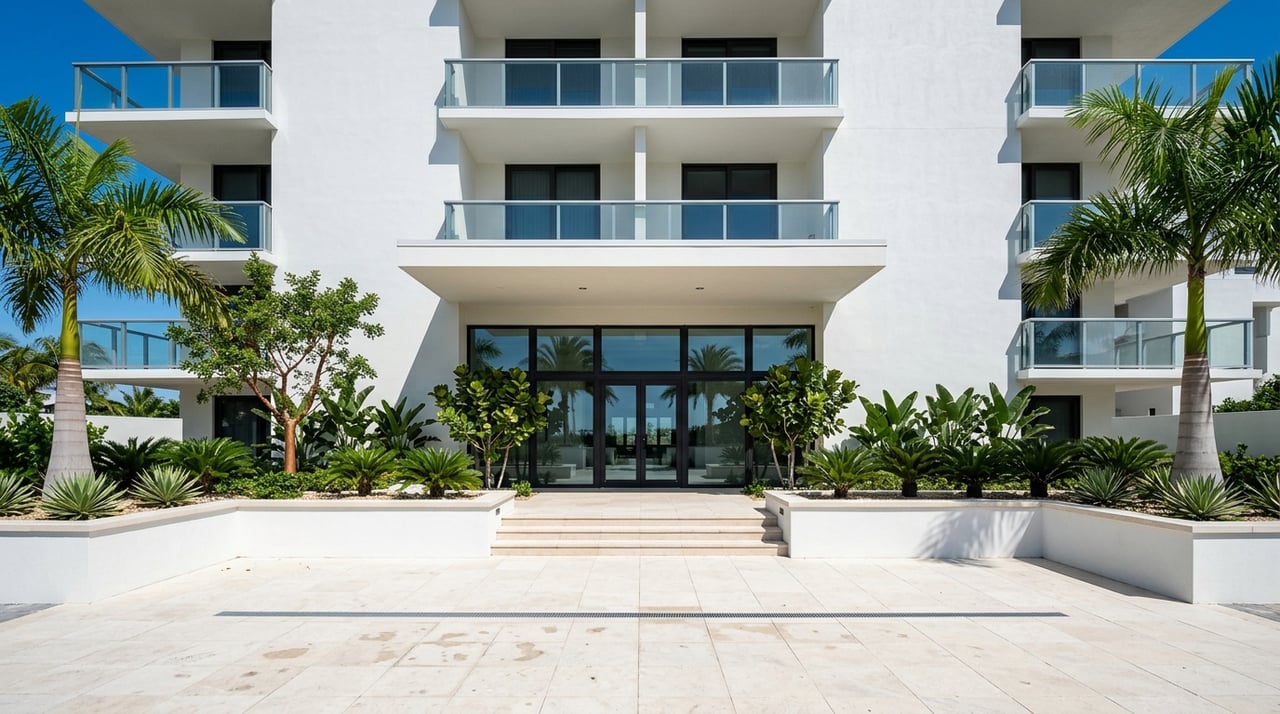
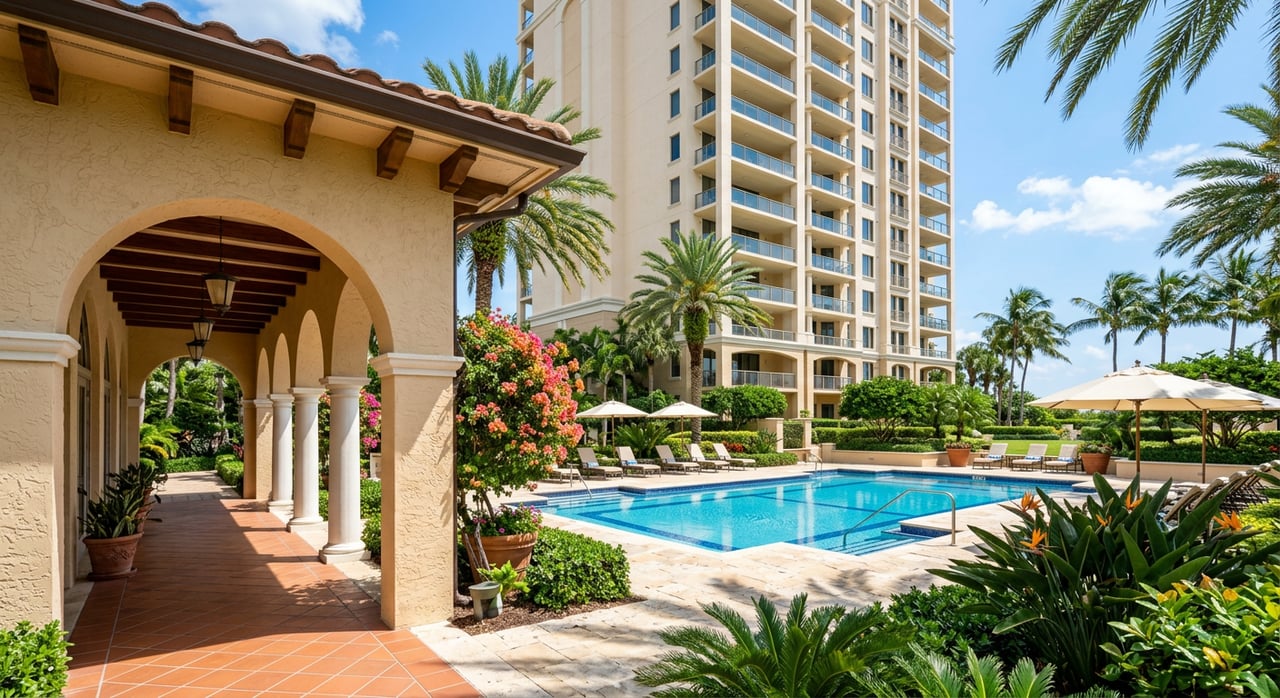
Marco Island’s short-term rental market leans heavily toward low-rise and mid-rise condos. Near Tigertail, you’ll see beachfront and bay-view buildings with 2 to 3 bedrooms forming the backbone of rentable inventory. Market tracker snapshots like AirDNA’s Marco Island overview can help you segment comps by bedroom count and building type.
Single-family and townhomes
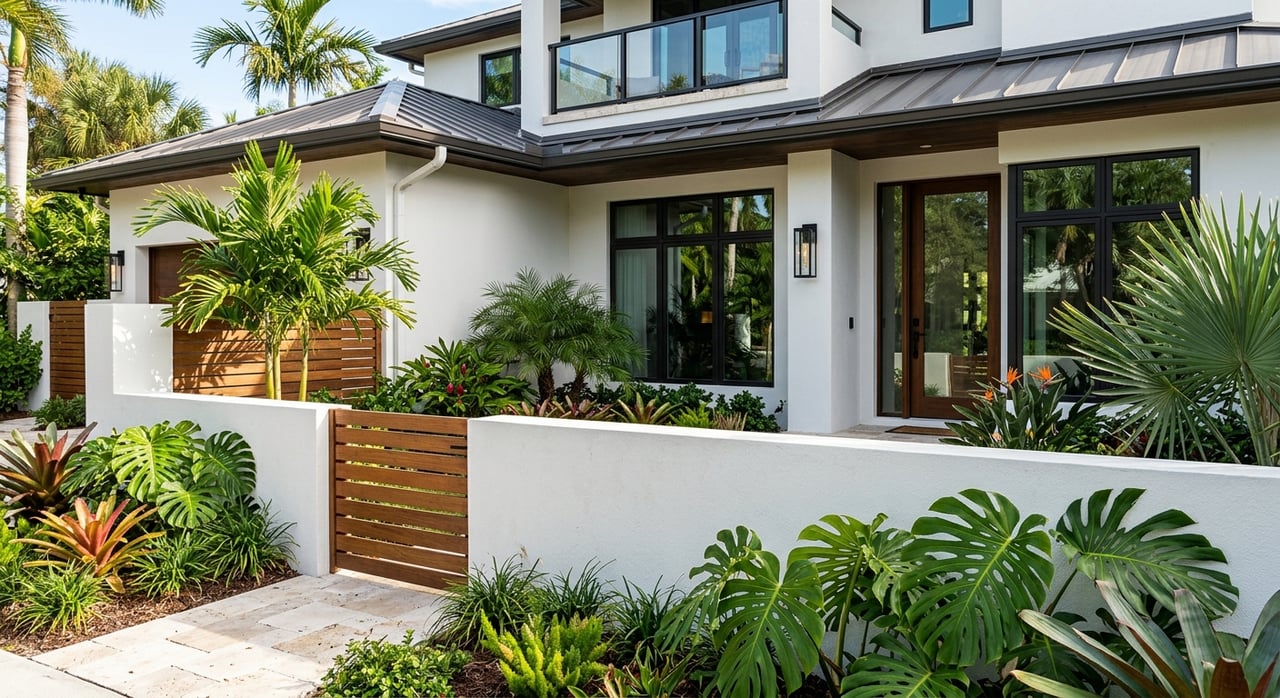
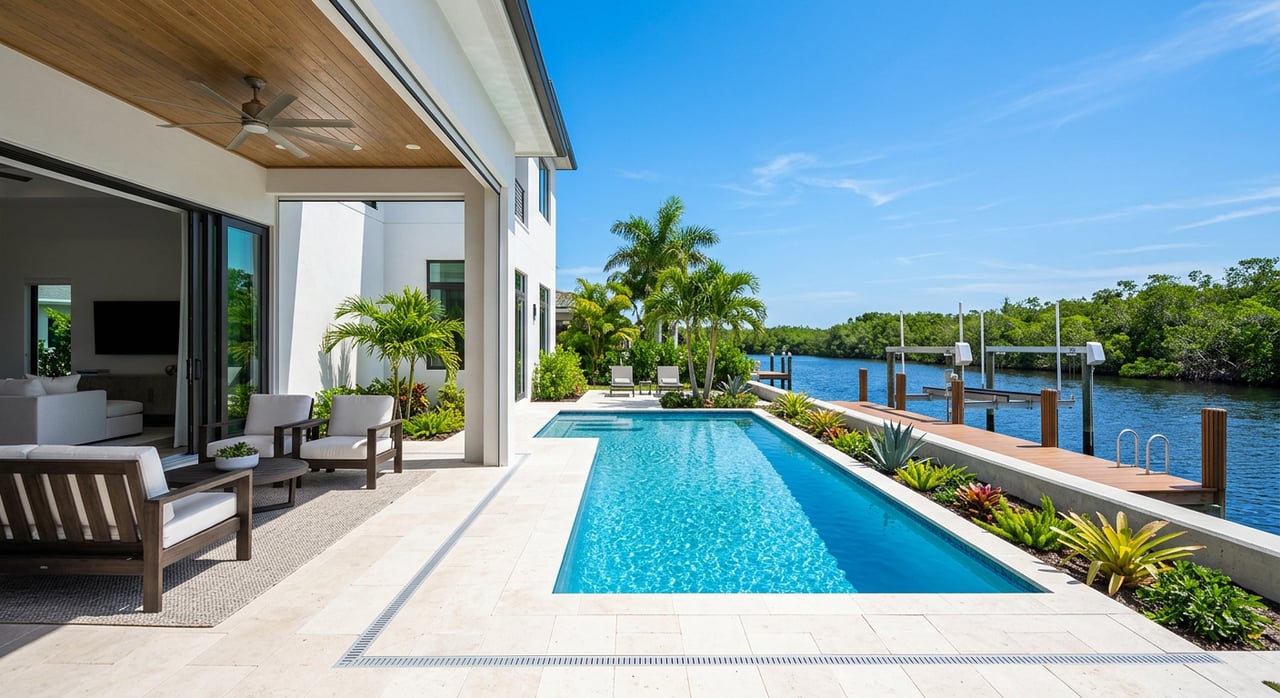
Single-family homes near Tigertail are less common and typically command a premium for space and privacy, especially if they offer walkable beach access or convenient water access. Townhomes and small multi-unit dwellings also appear in the mix and can attract families seeking multiple bedrooms and garage parking. Always confirm HOA rental rules early since they can materially shape your strategy.
The walk-to-beach premium
Guests will pay for access. Properties within a short, easy walk to Tigertail tend to outperform on both rate and occupancy relative to farther inland units. Measure this premium using true local comps by distance band, such as within 0.25 mile, 0.5 mile, and direct gulf-front listings. Real listing data will tell you more than rule-of-thumb estimates.
Revenue benchmarks and seasonality
Occupancy and ADR snapshots
Recent trackers show solid leisure performance at the market level. AirDNA’s Marco Island snapshot reports approximately 59 percent occupancy with an average daily rate near 504 dollars. Airbnb-only datasets often read differently; Airbtics has reported higher occupancy but lower ADR on a platform-only basis. Expect variance across sources and rely on property-level comps for underwriting.
Monthly patterns to expect
Winter months typically concentrate a large share of annual revenue, with shoulder months supported by regional travel, anglers, and boat day-trippers. Summer can be more price sensitive. Model monthly ADR and occupancy using 12 months of direct comps rather than annual averages. That approach will align your revenue forecast with reality on Tigertail’s calendar.
Rules, taxes and HOA limits
State license requirements
If you rent the entire unit more than three times a year for stays under 30 days, you will likely need a Florida Department of Business and Professional Regulation license. Review the DBPR guidelines for “Vacation Rental — Dwelling” and “Vacation Rental — Condominium” classifications and application steps in the state’s vacation rental guide.
City vs county registration
Collier County adopted a registration program for short-term rentals in unincorporated areas, but properties inside the City of Marco Island are exempt from the county’s registration requirement. Confirm your property’s jurisdiction first, then follow state licensing and any current city rules. The county provides clarity on scope in its short-term rental registration page.
Local rule changes to watch
Marco Island’s local STR policy has seen changes tied to voter initiatives and state preemption. There have been legal actions and settlements, and rules can evolve. Track the city’s latest position and consult counsel, as summarized in industry coverage of Marco Island’s STR legal updates.
Taxes to price correctly
Short-term stays are subject to Florida sales tax and Collier County’s Tourist Development Tax. Collier’s TDT is currently 5 percent on stays of six months or less. You can review the county’s TDT details in the code of ordinances. Some platforms collect and remit certain taxes, but you are responsible for any taxes not handled by the platform. Register with the state and county as needed and bake tax loads into pricing.
Operating costs and management
Typical expense buckets
Underwrite with a full operating picture. At a minimum, include:
- Variable costs: cleanings per turnover, guest supplies, platform and payment fees.
- Fixed costs: property management fee, utilities, HOA or condo dues, insurance, property taxes, routine maintenance, and reserves.
- Taxes: Florida sales tax and Collier TDT remittances per schedule.
- Financing: second-home or investment loan terms often require larger down payments and may carry higher rates than primary residences.
Management models and fees
You will find a range of management models. Marketing-only or co-host options can run about 10 to 15 percent of gross rents, while full-service local managers often charge higher percentages to cover housekeeping, 24/7 guest support, and maintenance. Publicly available materials from national operators, such as Evolve’s management fee tiers, outline the lower-fee end of the spectrum. Request written proposals from local managers and compare inclusions line by line.
Risks, insurance and resilience
Flood zones and insurance
Marco Island is low-elevation and exposed to storm surge. Collier County adopted updated coastal flood maps in 2024, and future revisions are possible. Flood zone shifts can change insurance requirements and premiums, so obtain current DFIRM panels and an elevation certificate during due diligence. Collier County’s Floodplain Management portal explains local mapping and resources.
Insurance markets across Florida remain dynamic. Expect variability in wind and flood premiums for non-primary residences. Build in mitigation upgrades where practical, and always price with bindable quotes on the specific property rather than generalized averages.
Hurricane season planning
The Atlantic hurricane season runs June 1 through November 30, with a mid-August to mid-October peak. Review seasonal risk guidance from the National Hurricane Center, then align your cancellation policies, guest communications, and deductibles with that timetable. Clear, proactive policies help protect both guests and your cash flow.
Simple five-step underwriting
- Pull 12 months of ADR and occupancy comps for 3 to 5 near-match listings within walking distance to the subject. Use a tracker such as AirDNA’s Marco Island overview and supplement with a local manager’s comp set.
- Estimate gross revenue: ADR × occupancy × 365. Run three cases: conservative, expected, and stretch.
- Subtract realistic costs: management, cleanings, HOA dues, utilities, insurance, property taxes, maintenance, supplies, and tax remittance. This yields NOI.
- Layer in financing terms to calculate debt service and cash-on-cash return.
- Run sensitivity tests at plus or minus 10 to 20 percent for both ADR and occupancy to gauge revenue volatility.
Tigertail vs resort strip positioning
Tigertail’s value proposition leans into nature and family appeal. The lagoon, calm waters, and shelling experience can attract families and outdoors-focused travelers who may book longer winter stays and paddlecraft-friendly summer trips. Start your positioning with authentic visuals and language that reflect Tigertail Beach Park.
By contrast, the central resort corridor near the JW Marriott draws a resort-oriented guest profile that often pays for brand amenities and walk-to-dining convenience. That area can show higher ADRs but also heavier competition and larger HOA dues. Your playbook in Tigertail is to highlight beach access, gear storage, parking clarity, and family-ready setups, while sharpening the walk-to-beach premium with real comps.
Tigertail investor checklist
Use this checklist during due diligence and keep copies of every confirmation:
- Jurisdiction check: Confirm whether the property is inside the City of Marco Island or in unincorporated Collier County. County registration does not apply inside the city. Start with the county’s short-term rental page to understand scope.
- State license: Determine whether the property is licensed and whether you need to obtain a Florida Vacation Rental license. Review DBPR’s vacation rental guide.
- HOA or condo rules: Minimum stays, annual rental caps, guest registration, amenity access, parking rules, and assessment history.
- Flood and elevation: Pull current DFIRM maps and request an elevation certificate. See Collier’s Floodplain Management resources.
- STR comps: Pull 12 months of ADR and occupancy for at least three close comps using AirDNA or local manager data.
- Expense verification: HOA budget, utility bills, insurance renewal quotes, maintenance history, and property tax records.
- Parking and access: Confirm guest parking allocations, onsite registration needs, and actual walking distance and route to Tigertail.
- Management plan: Get 2 to 3 written proposals that show fees, services, and sample P&Ls. Compare inclusions against your operations model and guest expectations.
- Tax compliance: Price in Florida sales tax and Collier’s 5 percent TDT per the county code. Confirm what platforms collect and what you must remit.
You can build a winning Tigertail rental if you lead with access, present a family-forward setup, and underwrite with local, building-level data. If you would like tailored comps, HOA guidance, and on-the-ground advice, reach out to Marco Island Life and the Heuermann-Skirkanich Team for a confidential strategy call.
FAQs
What makes Tigertail Beach attractive for vacation rentals?
- Tigertail’s tidal lagoon, calm waters, shelling, and family amenities create a nature-forward experience that appeals to families and outdoors-focused guests, as shown on the Tigertail Beach Park page.
What are typical occupancy and ADR in Marco Island?
- Market trackers vary: AirDNA’s Marco Island overview shows about 59 percent occupancy and ADR near 504 dollars, while Airbnb-only snapshots often report different figures.
Do I need a license to rent a Tigertail-area condo short term?
- Yes, most whole-unit short stays require a Florida DBPR vacation rental license; review classifications and rules in the state’s vacation rental guide.
Does Collier County’s STR registration apply on Marco Island?
- Properties inside the City of Marco Island are exempt from Collier County’s registration program; confirm jurisdiction on the county’s short-term rental page.
What taxes must I collect on short stays?
- Price in Florida sales tax and Collier County’s 5 percent Tourist Development Tax on stays of six months or less, as detailed in the county code.
How should I plan for hurricane season as an owner?
- Hurricane season runs June 1 through November 30; align guest policies and communications with guidance from the National Hurricane Center and carry appropriate wind and flood coverage.