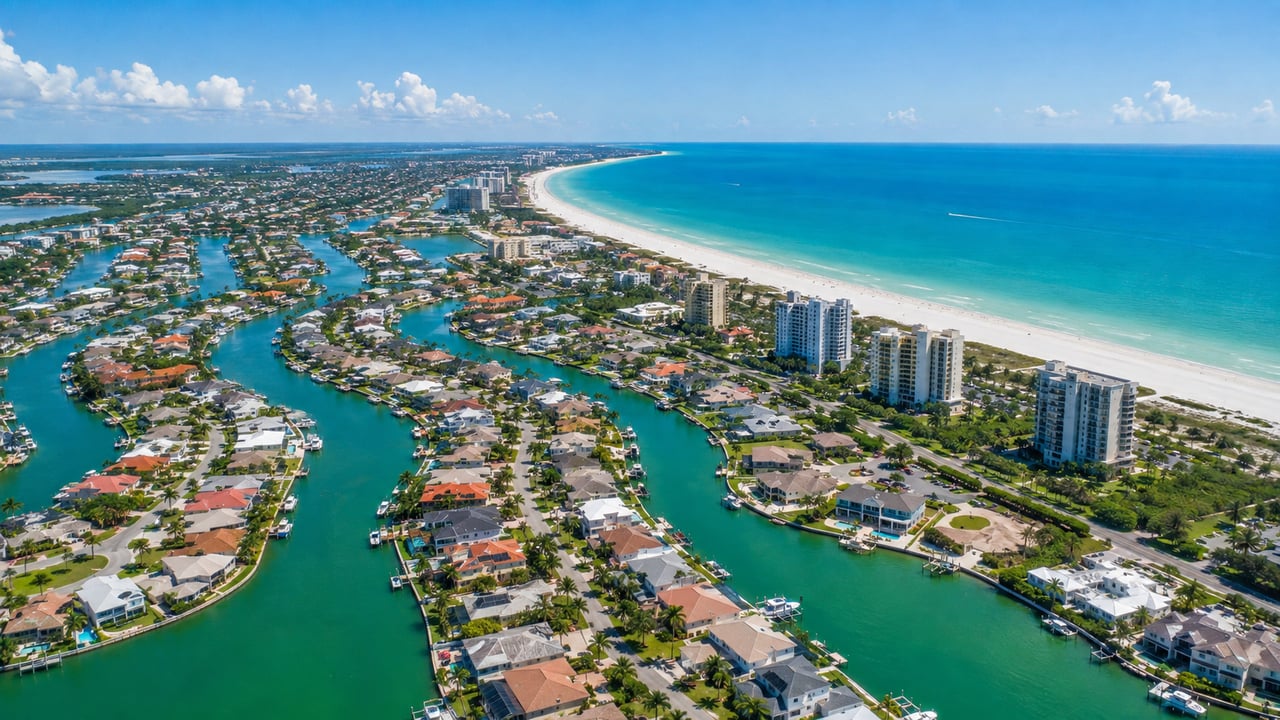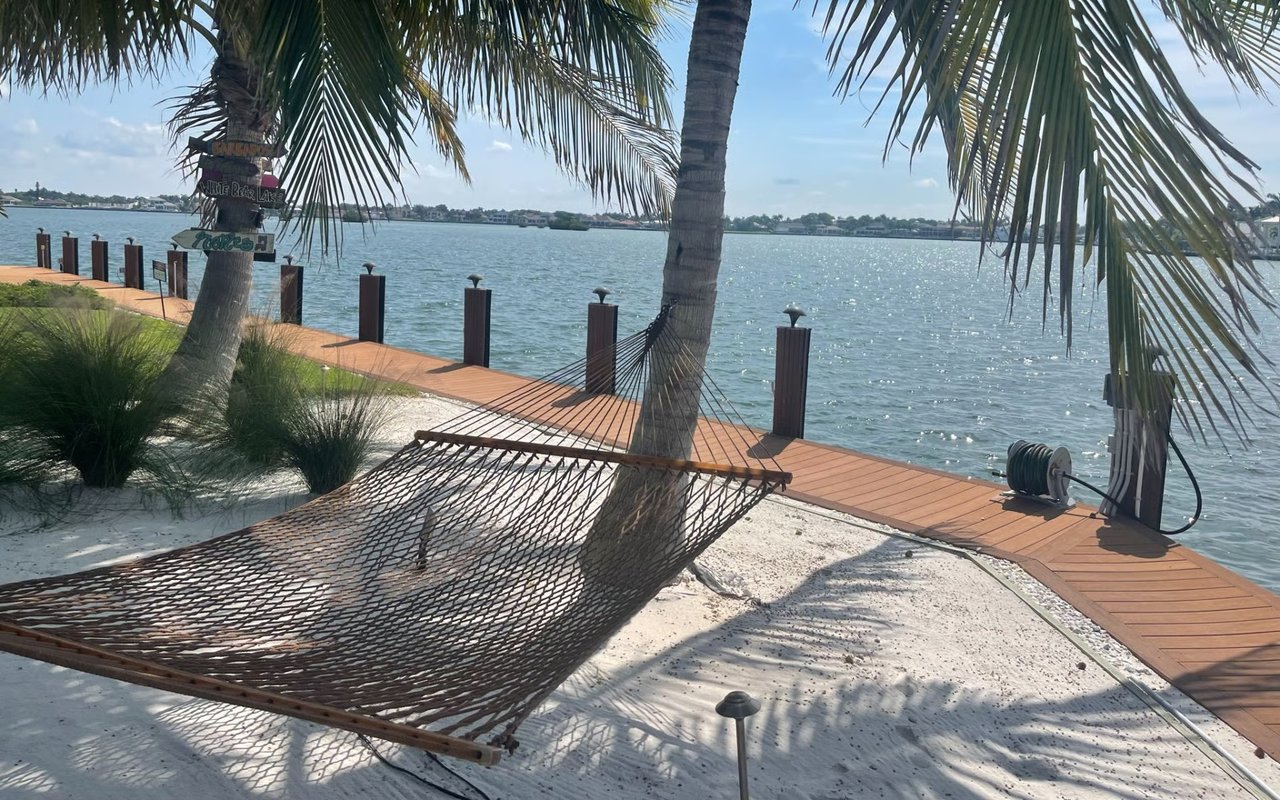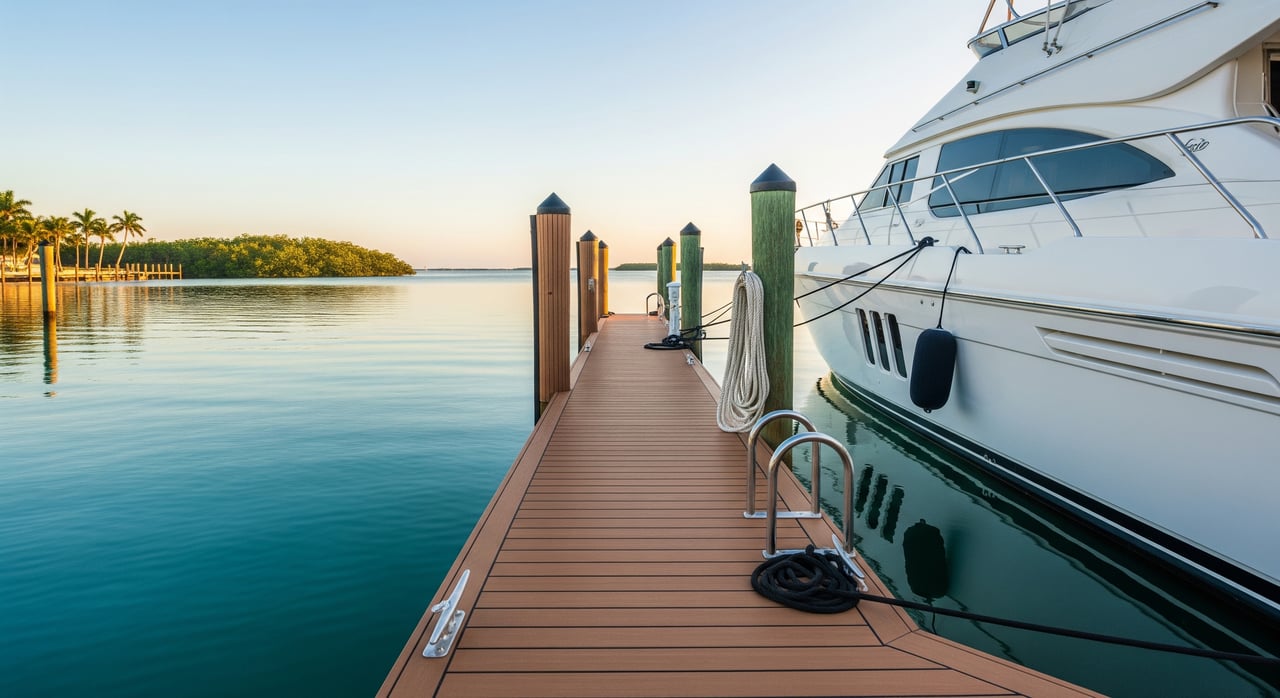
Owning a Key Marco home with private marina access is a dream. To keep it that way, your slip needs consistent care, safe shore power, and a clear plan for storms. Whether you already have a deeded or assigned slip or you’re considering a purchase, this guide gives you a simple, proven approach to protect your boat, your dock, and your investment. Let’s dive in.
Confirm slip ownership and rules
Before you buy or sell, verify exactly how the slip is tied to the property. Key Marco highlights resident access to a private marina, but the details vary by property and HOA documents. Review the deed and covenants to confirm whether your slip is deeded, assigned, or leased, and ask for the marina rules, transfer process, and any fees. The community overview can help you frame questions as you request documents from the HOA and dockmaster; start with the Key Marco community page for context on the private marina and amenities at Key Marco’s official site.
If you plan any dock alterations, know that Collier County regulates dock facilities. Permits, setbacks, and protrusion limits are outlined in the county’s Land Development Code. Always confirm requirements before making changes by reviewing the Collier County Dock Facilities standards.
Respect local waters and habitats
Key Marco sits beside sensitive estuarine habitats. Follow marked channels and avoid damaging seagrass and mangroves. For local best practices and rules, explore guidance from the Rookery Bay National Estuarine Research Reserve.
Routine slip care that works
Inspect on a schedule
Set a simple cadence and stick to it. During high‑use months, aim for weekly or biweekly checks, and inspect after any storm. At a minimum, do a monthly walkthrough of deck boards, fasteners, cleats, fenders, pilings, floatation, and electrical pedestals. For a practical overview, review these boat dock maintenance tips.
Keep lines and fenders dialed
Use quality bow, stern, and at least two spring lines to limit fore and aft movement. Add chafe gear where lines pass through chocks and replace any that show heat-fusing, hardening, or abrasion. Right-size fenders and position them to protect your hull and neighboring boats.
Tighten hardware and mind the structure
Look for loose or corroded bolts and replace as needed. Repair soft or cracked planks and check pilings for signs of rot or marine borer damage. Keep the slip tidy to prevent trip hazards and line snags.
Use shore power safely
Electrical faults can cause shock hazards in marinas. Use only marine‑rated, UL or ABYC‑listed cords and devices, connect at the boat first, then the pedestal, and test GFCIs monthly. Have a qualified marine electrician inspect your boat’s wiring annually and never swim near energized shore power. Learn more in this shore power overview from the marine industry’s certification body, the NMMA.
Practice clean hull and paint habits
Warm Gulf waters grow barnacles quickly, but be careful with in‑water cleaning and antifouling paints. Follow product labels, use licensed applicators, and avoid abrasive cleaning over sensitive habitats. Florida regulates certain antifouling compounds; see the state’s guidance on pesticides and antifouling materials. When in doubt, ask your marina and follow local guidance from Rookery Bay Reserve.
Hurricane readiness for Key Marco
Hurricane season runs June 1 to November 30. Build your plan well before storms form and monitor updates from the National Hurricane Center. For timelines and checklists, start with NOAA’s hurricane preparedness guidance.
When a system is forecast, act early. Options, in order of protection, include relocating the vessel out of the impact zone, hauling out and storing on land, or securing in the water if required. If the boat stays in the slip, double or triple lines, add chafe gear and springs, remove canvas and dinghies, disconnect shore power, and confirm bilge pumps have battery backups. Local agencies advise finishing prep 48 to 72 hours before possible impact; see the practical steps in Miami‑Dade’s boat hurricane prep guide.
After a storm, expect restricted access. Document conditions with photos before moving anything, and contact the dockmaster and your insurer first.
Insurance and paperwork to prepare
Most private marinas in the area require proof of liability insurance for vessels that use a slip. A common minimum is 1 million dollars, often with the marina or association named as additional insured. Confirm Key Marco’s exact requirements in writing and review an example of typical marina expectations at the Marco Island Marina rate card. Keep policy copies, slip assignment documents, and your hurricane plan with your records.
Buyer and seller tips
If you’re buying, request the deed, HOA covenants, and marina rules early in due diligence. Confirm slip size limits, transfer procedures, required insurance, and any additional fees or assessments. If you’re selling, gather your slip documents and recent maintenance records so buyers can see the care you’ve taken.
Quick reference checklist
- Before you buy: verify deed or assignment, get the marina rules, and confirm insurance requirements and transfer steps.
- Monthly: inspect lines, cleats, fenders, decking, pilings, and pedestals. Replace any chafed or hardened lines.
- Electrical: use marine‑rated cords, test GFCIs, schedule an annual inspection, and avoid swimming near shore power.
- Environmental: avoid seagrass, use pump‑outs, and follow Rookery Bay guidance on hull work and anchoring.
- Storm season: create a written plan, stock extra lines and chafe gear, and complete preparations 48 to 72 hours before expected impacts.
Ready to make the most of a Key Marco slip or navigate a sale with confidence? Reach out to the Marco Island Life experts at the Heuermann‑Skirkanich Team for local guidance, trusted vendor referrals, and concierge‑level representation.
FAQs
What documents confirm my Key Marco slip rights?
- Ask for the property deed, HOA covenants, and marina rules to verify whether the slip is deeded or assigned and how transfers work.
How often should I inspect my slip and lines?
- Do quick weekly or biweekly checks during high use, inspect after any storm, and complete a full monthly walkthrough of hardware, fenders, and pedestals.
What shore power practices improve safety at the marina?
- Use marine‑rated cords, test GFCIs monthly, have wiring inspected annually by a qualified marine electrician, and never swim near live shore power.
What insurance do I need to keep a boat in a slip?
- Many area marinas require at least 1 million dollars in liability coverage and may ask to be listed as additional insured; confirm the exact Key Marco requirement in writing.
How should I prepare my boat in a Key Marco slip for a hurricane?
- If you cannot haul out or relocate, double or triple lines with chafe gear, remove canvas, disconnect shore power, and finish preparations 48 to 72 hours before expected conditions.
About Elizabeth Heuermann
Elizabeth Heuermann is a top-producing Marco Island REALTOR®️ with nearly 20 years of experience helping buyers and sellers navigate the luxury coastal market. As part of Premier Sotheby’s International Realty, she brings rare expertise in both real estate and home development, having personally designed and sold more than a dozen homes. Her deep knowledge of Marco Island’s neighborhoods, waterfront properties, and market trends has made her a trusted resource for clients across Southwest Florida.