Marco Island real estate does not work like the rest of the Florida market, and most of the surprises buyers hit here are not about price. They are about the rules attached to a specific parcel or a specific building.
A canal lot two doors down from another canal lot can carry a different flood zone, a different foundation requirement and a different construction budget. Two identical condo units in two different towers can carry completely different financial futures. A seller's tax bill can bear almost no relationship to yours.
None of that is a reason to be cautious about buying here. It is a reason to ask better questions before you write an offer. This guide is where those questions live, organized the way a purchase actually unfolds.
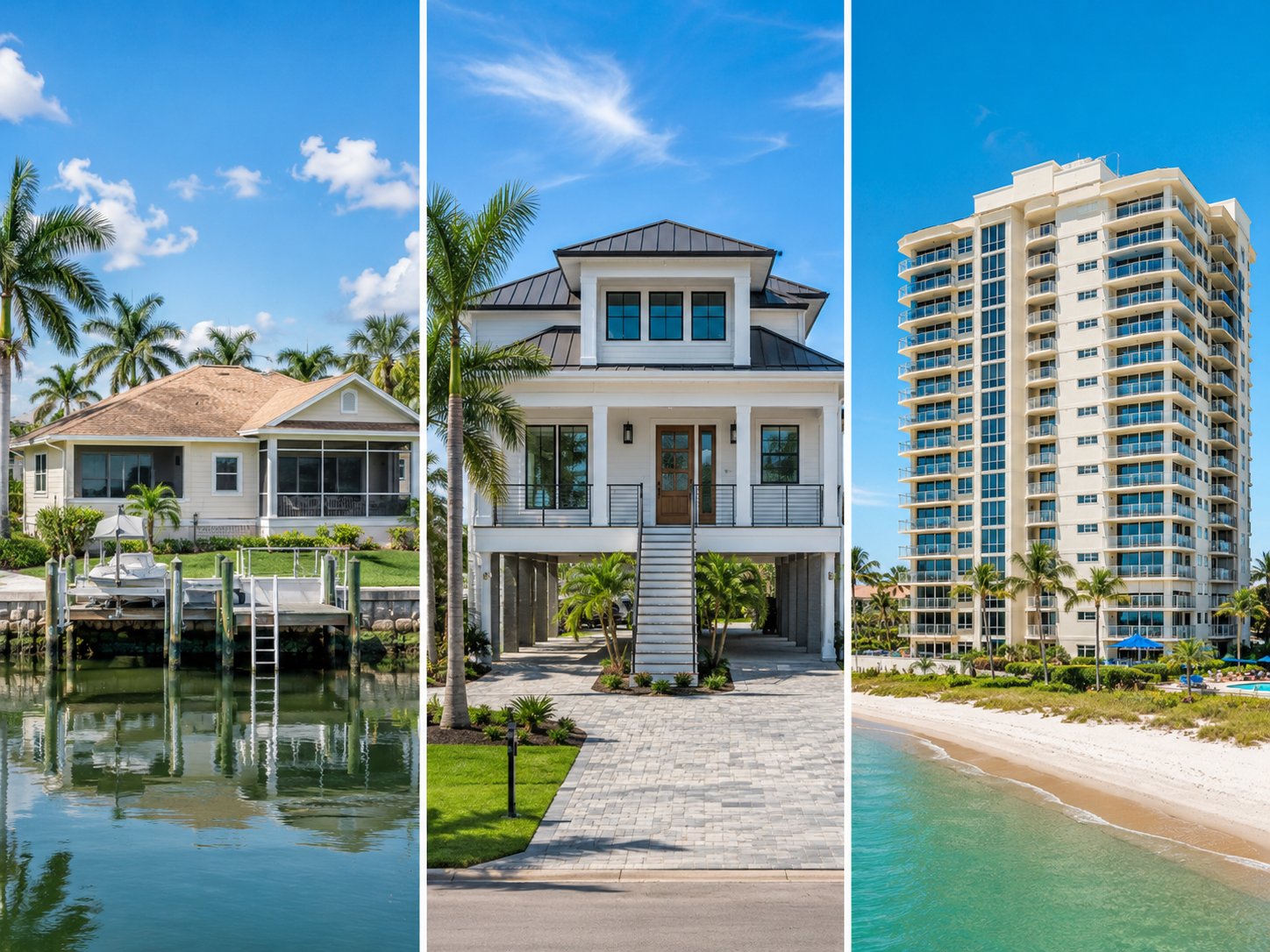
If you are buying an older home to renovate
Start with one number. Federal flood rules say that if the cost of your improvements reaches 50 percent of the market value of the structure, the entire building has to be brought up to current flood construction standards, which on this island usually means elevating it.
The catch is that the 50 percent is measured against the value of the structure only, not the land. On Marco Island, where the lot carries most of the value, that threshold arrives far sooner than buyers expect. It is the single most common reason a planned remodel turns into a teardown.
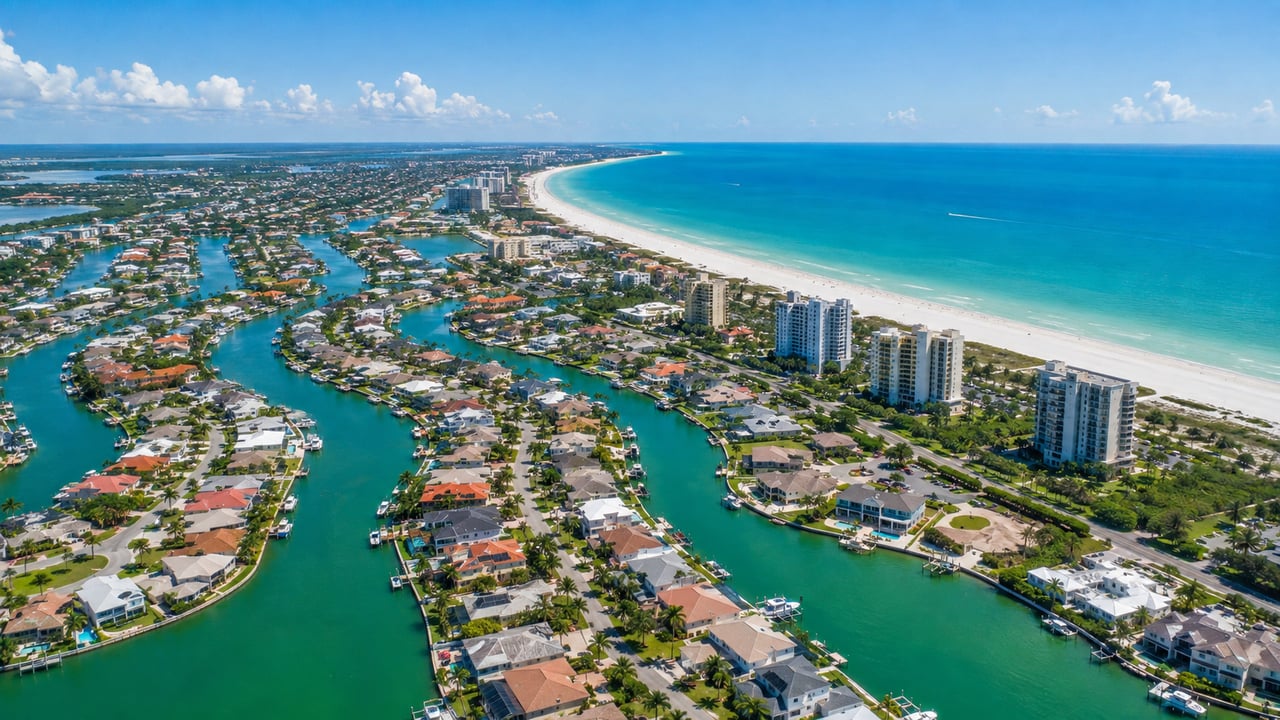
Much of the island's original inventory sits in the river area and Island Center, which is exactly where you see very large new homes standing beside small 1970s originals on the same street. That pattern is the 50 percent rule playing out block by block.
If you are buying a lot to build on
The lot decides the number, not the finish level. Flood zone determines what kind of foundation you are even allowed to use. Required elevation determines how much fill, stem wall or structure you are paying for before the house starts. Soil conditions determine whether a conventional foundation works or whether you are into a deeper system.
A per-square-foot figure quoted without reference to a specific parcel is close to meaningless here.
And if you are removing an existing home to build, there is money on the table most buyers never ask about. Collier County credits the home you tear down, charging you only on the difference in size, and contrary to what you will hear locally, there is no deadline to rebuild.
The environmental clearances that move your schedule
Three things routinely delay construction here, and all three run on calendars that have nothing to do with yours.
Wildlife. Marco Island has one of Florida's notable burrowing owl populations, along with gopher tortoises and bald eagles. Each carries its own protected buffer, its own season and its own permit timeline. A burrow found in March is a burrow you work around until the young fledge.
Mangroves. If mangroves sit between your house and the water, state law governs what you may cut, by height tier, and the permits do not come from the City or the County. Liability for illegal trimming attaches to the landowner, not just the crew.
Archaeology. Parts of this island sit directly on Calusa-era sites, and the City enforces a survey requirement before ground-disturbing work. A project in Old Marco drew a stop-work order in 2025 for skipping it.
If boating is part of why you are buying
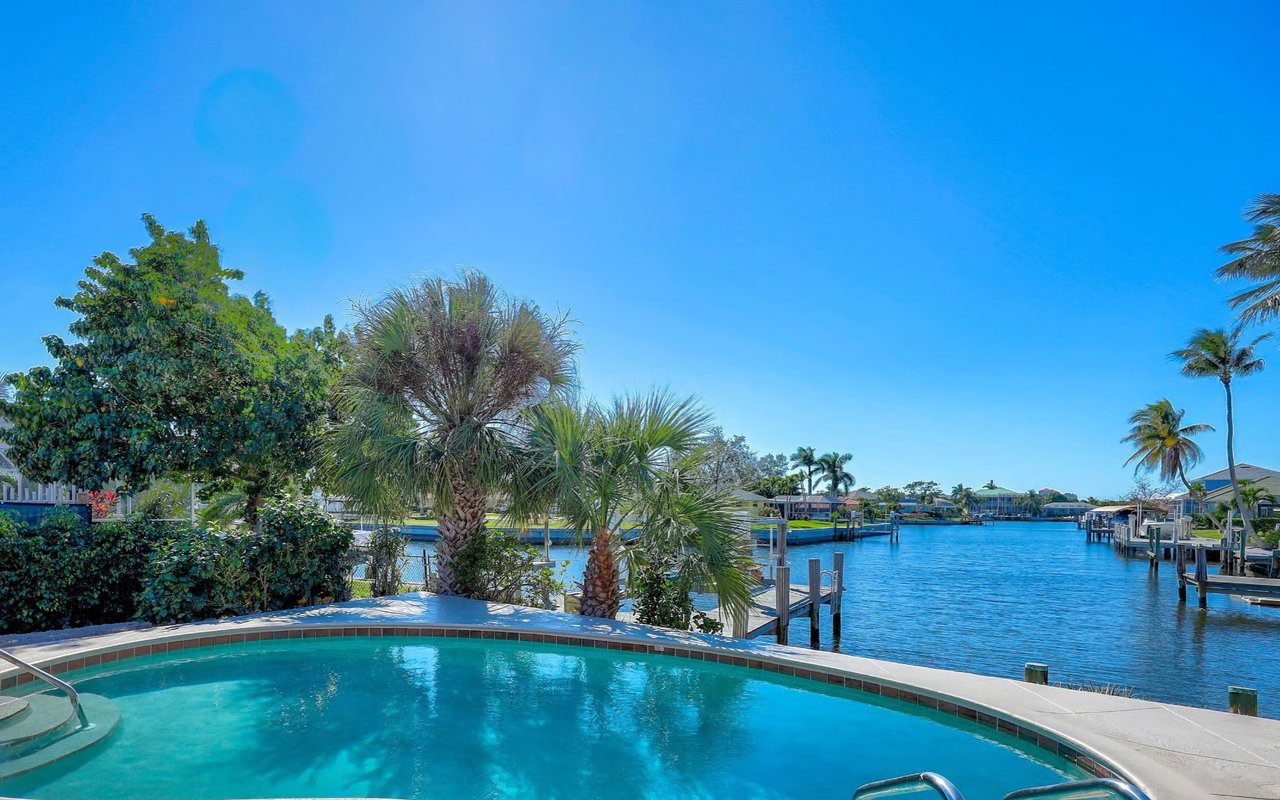
"Water direct" is the phrase everyone learns first, and it answers a narrower question than people think. It tells you there is no fixed bridge between you and the Gulf. It does not tell you how much water sits under your dock at low tide, whether your boat clears the bridges on your actual route, or what dock you are permitted to build.
The City publishes clearances for all fourteen interior bridges, and they range from about three feet to about fourteen. That spread is the whole conversation for anyone specifying a hardtop or a tower.
Related: what water direct means on Marco Island, and the difference between water direct and water indirect inventory.
If you are buying a condo
Florida rewrote its condominium safety and reserve laws after Surfside, then rewrote them again in 2023, 2024 and 2025. Marco Island's inventory skews heavily toward buildings from the 1970s through the 1990s, sitting in salt air, which means these rules land harder here than almost anywhere inland.
The upside for buyers is real: the difference between a well-run building and a poorly-run one is now documented and disclosable in a way it was not five years ago. You get a seven-day window to review the package and walk.
Read: Buying a Marco Island condo: milestone inspections, reserve studies and what to ask for
Most of that inventory sits along South Beach, Cape Marco, and the beachfront and gulf front stretches.
What it costs to own, once you own it
Two numbers change buyers' math after they are already under contract, and both should be pinned down during the inspection period instead.
Taxes. The seller's tax bill is a historical artifact. Florida's Save Our Homes cap holds a long-term owner's assessed value far below market, and that benefit disappears on the January 1 after your closing. Budget from your purchase price, never from the listing's tax line.
Insurance. Wind and flood are separate policies, flood is never included in a homeowners policy, and for a condo there is a third layer. The good news is that the Florida market has moved in the buyer's favor for the first time in several years.
Getting a project approved
A City permit is not the only approval you need. On most of the island, recorded deed restrictions require written architectural approval before you build a home, addition, pool or screen enclosure, and that authority is private rather than governmental. Neither approval substitutes for the other.
Where to start
Every question above is parcel-specific or building-specific. The answers are gettable, they are usually gettable during an inspection period, and the buyers who get them early do fine.
If you are looking at a particular property and want to know what you are actually walking into, that is the conversation we have every week. Get in touch, browse current Marco Island listings, or explore the island's communities to get oriented first.
If you are selling rather than buying, start with a home valuation.
New to the island entirely? Start at the beginning and get a feel for what Marco Island is before you narrow down a neighborhood.
The articles linked from this guide are general information and are not legal, tax, insurance or engineering advice. Requirements on Marco Island are administered by the City of Marco Island, Collier County and several state and federal agencies, they vary parcel by parcel, and they change. Confirm anything you intend to rely on with the relevant agency and your own professional advisors. The Heuermann-Skirkanich Team and Premier Sotheby's International Realty make no representation or warranty as to the accuracy or completeness of this information.